

Thai hot massage blends the deep stretching and rhythmic pressure of traditional Thai massage with concentrated heat — most often delivered through herbal compresses, warmed stones, hot oil, or steamed towels. This style is designed to loosen tight muscles, ease joint stiffness and deliver an aromatic, restorative experience. Below I cover origins, techniques, benefits, safety, what to expect, how to choose a therapist, and practical tips for getting the most from a session.
Origins and cultural context
Therapeutic heat has long been part of Southeast Asian healing. The herbal compress known as luk pra kob comes from Thai folk medicine and integrative practices tied to temple medicine and community healers. Traditional Thai massage itself is rooted in a blend of Ayurvedic ideas, Chinese and Southeast Asian folk therapies, and Buddhist monastic care. Hot applications were added to intensify local circulation, drive aromatic compounds into tissue, and complement the massage line work and assisted stretches.
Types of Thai hot massage and how they differ
“Hot” in a Thai massage can mean several things. The heat source and technique change the sensation and therapeutic focus. Below are the main variants you’ll encounter in clinics and spas.
- Herbal compress (Luk Pra Kob) — a steamed cloth bundle filled with herbs such as turmeric, ginger, camphor, lemongrass and kaffir lime. The compress is pressed and rolled into tight or sore areas.
- Hot stone Thai massage — warmed basalt or river stones are placed along energy lines and used for gliding strokes or static heat placement.
- Hot oil Thai massage — warmed botanical oils are added to the traditional Thai technique, increasing glide and softening surface tissues.
- Steam or hot towel treatments — towels or poultices are steamed and applied to relax tissue prior to hands-on work.
- Combination sessions — many therapists blend compresses, stones and hands-on Thai stretching into one session for an integrated effect.
Herbal compress in detail
The herbal compress is the signature element people associate with Thai hot massage. Herbs are wrapped in muslin, steamed to release volatile oils, and applied with a pressing and rolling motion. The dual effect comes from moist heat — which increases blood flow and tissue extensibility — and the herbs’ aromatic constituents, which can soothe and reduce perceived pain.
Hot stone and oil variants
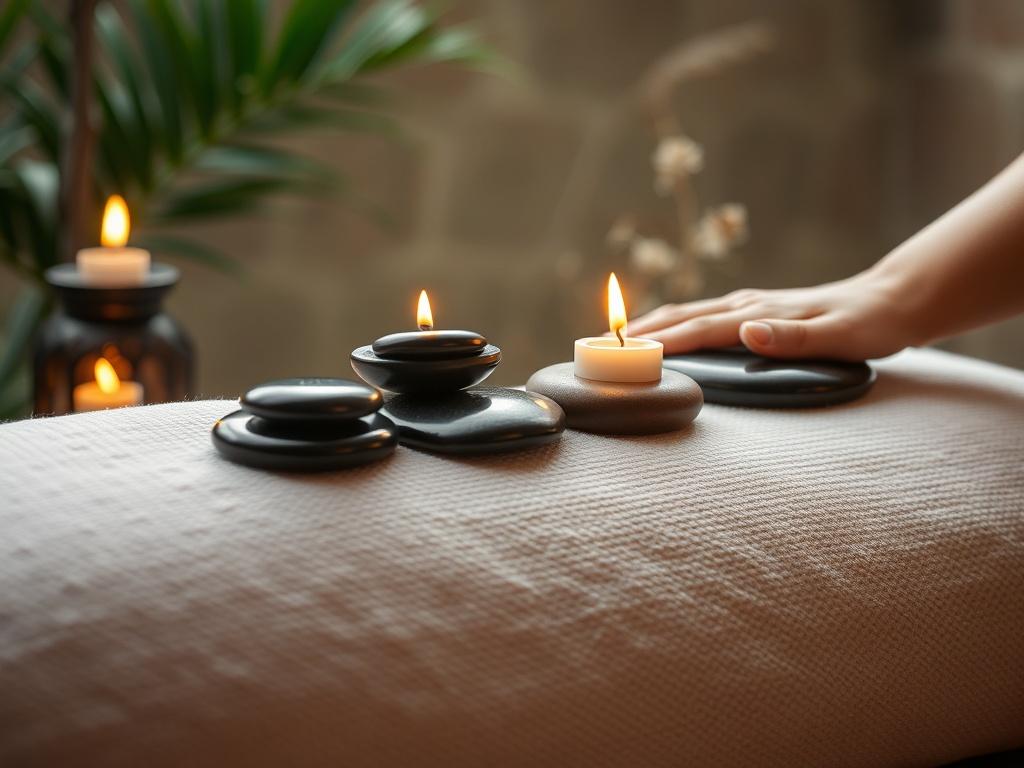
Hot stones store and evenly deliver heat; therapists may use them to warm deeper muscles before using palms or elbows. Hot oil, by contrast, provides lubrication for long gliding strokes and is often chosen for relaxation-focused sessions rather than deep, assisted stretches.
What to expect during a session
Sessions typically begin with a brief intake: your health history, current complaints, and preferences about pressure and areas to avoid. You may lie on a padded mat on the floor (traditional Thai style) or a massage table. Clothing choices depend on the modality — compress work often requires being in a robe or loose shorts and top, while oil work usually needs direct skin exposure.
- Initial consultation and positioning.
- Warming phase: steaming towels, stones, or compresses applied to key areas.
- Core bodywork: stretches, rhythmic pressured lines, and compress/stroke combinations.
- Finishing: gentle calming strokes and guidance for aftercare.
Communicate about heat and pressure during the session. Good therapists will check in and adjust temperature, firmness, and duration of compress placement to avoid burns or bruising.
Benefits and what the research suggests
Heat plus manual therapy can offer several practical benefits. Thermal applications loosen connective tissue, improve local circulation, and can decrease muscle spasm. When combined with Thai massage’s stretching and compressive techniques, clients frequently report reduced pain, increased mobility, and a deepened sense of relaxation.
Scientific studies show that heat and massage each influence pain perception and muscle tone, though rigorous trials specifically on herbal compress therapy remain limited. In practice, many people find symptomatic relief for chronic tension, low back discomfort and stiff necks; athletes use hot variants for pre- or post-event muscle care.
Risks, contraindications and when to avoid it
Heat intensifies blood flow and can exacerbate certain conditions. Avoid hot Thai massage if you have:
- Open wounds, skin infections, severe dermatitis or recent burns.
- Uncontrolled high blood pressure, unstable cardiovascular disease, or a history of stroke without prior medical clearance.
- Active fever, acute inflammation or deep vein thrombosis.
- Diabetes with neuropathy (reduced sensation increases burn risk).
- Pregnancy in early stages without practitioner approval; many therapists modify or avoid compress work for pregnant clients.
- Allergies to herbal components used in compresses (ask to see the herb list).
Stop the session and alert the therapist if you feel dizzy, overly hot, numbness, or sharp pain. Burns are rare with trained therapists but possible if compresses are overheated or left in one place too long.
How to choose a therapist or spa

Look for clear signs of professionalism and safety. A reputable clinic will provide a consultation, state training credentials, show clean towels and compresses, and set boundaries around draping and touch. Prefer therapists trained in Thai bodywork or accredited schools; in Thailand, Wat Pho is one well-known training center, and many countries have licensed massage therapy programs that include Thai techniques.
- Ask about therapist experience with herbal compresses and heat-based treatments.
- Inspect hygiene: fresh linens, clean steamers or stone warmers, and visible safety procedures.
- Read reviews but prioritize verified, detailed feedback about technique and safety.
- Avoid places that offer ambiguous “extras” or pressure you into services you didn’t request.
Preparing for a session and aftercare
Before your appointment, hydrate and avoid a heavy meal immediately beforehand. Wear loose clothing if you expect to receive compresses over clothes. Mention recent injuries, surgeries, or medications (blood thinners, for example).
Aftercare is straightforward: drink plenty of water, rest if you feel sleepy, and avoid vigorous exercise for 24 hours. Some mild soreness is normal, like after a deep workout; gentle stretching and heat packs at home can help. If symptoms worsen or mysterious swelling or rash appears, contact a healthcare provider.
At-home and DIY alternatives
If you can’t visit a spa, safe at-home options exist: a warm towel, a microwaveable herbal pad from reputable makers, or a hot water bottle can provide similar moist heat. DIY herbal compresses are possible but require care: select nonirritant herbs, wrap securely, and test temperature on your forearm before applying. For self-massage, use gentle strokes and a tennis ball or foam roller to address tight regions, avoiding deep pressure over bones or inflamed joints.
Training and certification for therapists
Therapists who offer Thai hot massage commonly train in classic Thai modalities and then take additional courses for compress and hot stone techniques. Good programs cover anatomy, contraindications, sanitation for heating equipment, and hands-on hours demonstrating safe compress steaming and temperature management. Licensing standards vary by country and region, so asking about specific credentials and continuous education is wise.
Comparing types of hot Thai massage
| Type | Heat source | Typical techniques | Best for | Typical duration |
|---|---|---|---|---|
| Herbal compress | Steamed herbs (luk pra kob) | Pressing, rolling, rhythmic pats | Localized muscle tightness, aromatherapy benefits | 60–90 minutes |
| Hot stone | Warmed basalt stones | Static placement, gliding strokes with stones | Deep relaxation, warming large muscle groups | 45–90 minutes |
| Hot oil | Warmed botanical oils | Long glides, stretches, joint mobilization | Relaxation, superficial tension relief | 60–120 minutes |
| Hot towel/steam | Steamed towels | Pre-work warming, compresses | Preparation for deeper work | 15–30 minutes prep + session |
Cost and session length
Sessions are commonly offered in 60-, 90- and 120-minute formats. Prices vary dramatically by location, from modest rates in regions where Thai massage is a local tradition, to premium pricing in urban spas abroad. Consider duration, included modalities (compress, stones, oil) and therapist experience when comparing costs.
Maintaining clear boundaries: therapeutic practice only
Legitimate practitioners adhere to clear professional standards. If a therapist insists on undraping beyond what’s necessary for the technique, pressures for extra tips or private “extras,” or keeps the room door closed against your wishes, leave. Ask about the clinic’s policies on draping, male/female therapists, and whether sessions are performed in public or private rooms.
Signs of a reputable clinic
- Transparent pricing and written consent forms.
- Visible training certificates and sanitary heating equipment.
- Clear, respectful explanations of techniques and risks.
- Ability to modify treatment for injuries, pregnancy or medical conditions.
Final practical tips
- Tell your therapist about any medications that affect heat tolerance or clotting.
- Ask to feel the compress or stone briefly before it’s applied.
- Request the therapist lower heat rather than harder pressure if you’re unsure — heat is adjustable and reversible.
- Book a shorter first session to test tolerance to both heat and the Thai technique.
Conclusion
Thai hot massage is a versatile, warming complement to traditional Thai bodywork that can enhance circulation, reduce muscular tension and deepen relaxation when performed by a trained therapist; like any therapy involving heat, it requires sensible screening, clear communication and attention to hygiene and temperature control to be safe and effective.