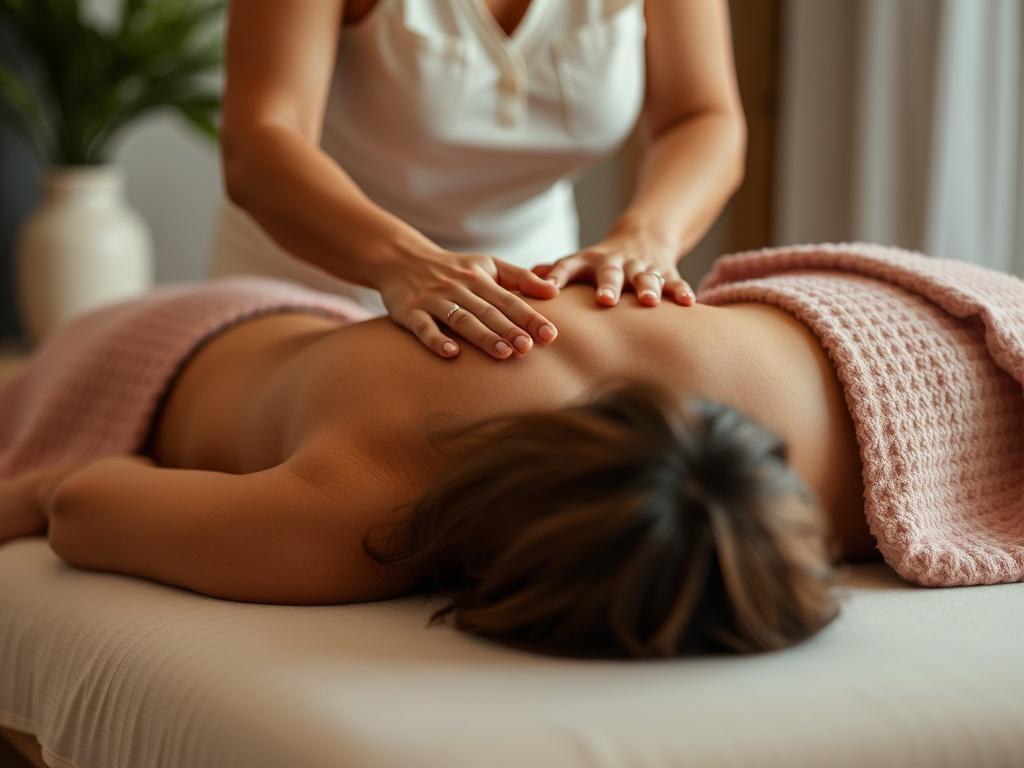

Massage is more than a luxury; for many women it’s a practical tool for easing tension, managing pain, improving sleep, and supporting emotional balance. This guide explains what to expect, how different techniques work, when to take special precautions, and how to give or receive a respectful, effective massage—whether at a clinic, spa, or at home.
Why massage helps women: science and everyday effects
Massage stimulates circulation, modulates the nervous system, and influences hormones linked to stress and mood. Studies show massage can reduce cortisol and increase oxytocin and serotonin—chemical shifts that support relaxation. Clinically, women report relief from chronic back pain, tension headaches, menstrual cramping, and anxiety after regular treatments. Beyond measurable changes, massage often restores a sense of personal care and bodily awareness that can be hard to cultivate in busy lives.
Major types of massage and when to choose them
Not all massage styles serve the same purpose. Pick a technique that matches goals—relaxation, deep tissue repair, lymphatic support, or nerve desensitization. The table below summarizes common approaches and their typical uses.
| Type | Primary use | Pressure | Typical session length |
|---|---|---|---|
| Swedish | General relaxation, stress reduction | Light to moderate | 30–90 minutes |
| Deep tissue | Chronic muscle tension, adhesions | Firm, concentrated | 45–90 minutes |
| Prenatal | Pregnancy discomfort, pelvic and back pain | Gentle to moderate | 30–75 minutes |
| Lymphatic drainage | Swelling, post-surgical recovery | Very light, rhythmic | 30–60 minutes |
| Sports | Performance, injury prevention and recovery | Variable—targeted | 30–90 minutes |
| Reflexology | Holistic balance via feet/hands | Moderate to firm on points | 20–60 minutes |
Choosing by symptom
- General stress and sleep problems: Swedish or relaxation-focused sessions.
- Stiff shoulders, back knots, or long-term tension: deep tissue or myofascial release.
- Pregnancy-related aches: a certified prenatal massage therapist.
- Fluid retention or post-op swelling: manual lymphatic drainage performed by a trained clinician.
Preparing for a professional session
Preparation improves results. Hydrate well the day of the appointment, avoid heavy meals immediately prior, and wear comfortable clothing to the clinic. Arrive a few minutes early to complete intake forms and mention recent injuries, medications (especially blood-thinners), or medical conditions like high blood pressure or pregnancy.
Questions to ask your therapist
- What licenses or certifications do you hold?
- Have you worked with clients who have my condition (pregnancy, lymphedema, chronic pain)?
- How do you adapt pressure and technique if I’m uncomfortable?
- What aftercare do you recommend for my symptoms?
How to give a respectful, effective massage to a woman
Whether you’re a partner or a caregiver, consent and comfort come first. Always ask which areas are acceptable to touch and check the pressure periodically. Use clear, calm language—“Is this pressure okay?” is simple and effective.
Basic back and shoulder routine (for nonprofessionals)
- Set the scene: comfortable temperature, supportive face rest or pillow, and warm hands.
- Start with light effleurage—long gliding strokes along the back to warm tissue and spread oil.
- Move to kneading (petrissage) across shoulders and along the paraspinal muscles—lift and gently squeeze muscles rather than pressing bone.
- Spend extra time on trigger points: hold steady pressure for 10–20 seconds until tension softens, then release gradually.
- Finish with lighter strokes and gentle stretches for the arms and neck to restore mobility.
Keep strokes directed toward the heart to encourage circulation. Use your forearms for larger surfaces if your thumbs or hands tire easily. If pain sharpens or a client requests you stop, stop immediately and ask whether they need water, a break, or medical advice.
Respecting boundaries and modesty

Do not remove clothing unless the person explicitly consents and understands clinical reasons. Use towels or sheets for draping—uncover only the area being worked and maintain dignity at all times. If you’re a partner, remember that a therapeutic massage is not an invitation for sexual contact unless mutually agreed upon with explicit consent.
Pregnancy, postpartum, and hormonal life stages
Pregnancy and postpartum periods often increase need for targeted bodywork, but they also require trained therapists. Prenatal massage uses side-lying positions, pregnancy-safe oils, and avoids deep abdominal and certain lower-back manipulations. After childbirth, massage can support recovery by reducing swelling, aiding scar tissue mobility after cesarean, and easing pelvic floor tension if a practitioner is trained in perinatal care.
During menopause some women benefit from regular massage to ease sleep disturbances, reduce anxiety, and relieve joint stiffness associated with lower estrogen. Therapists can adapt pressure and warmth to accommodate sensitivity changes.
Contraindications and when to seek medical advice
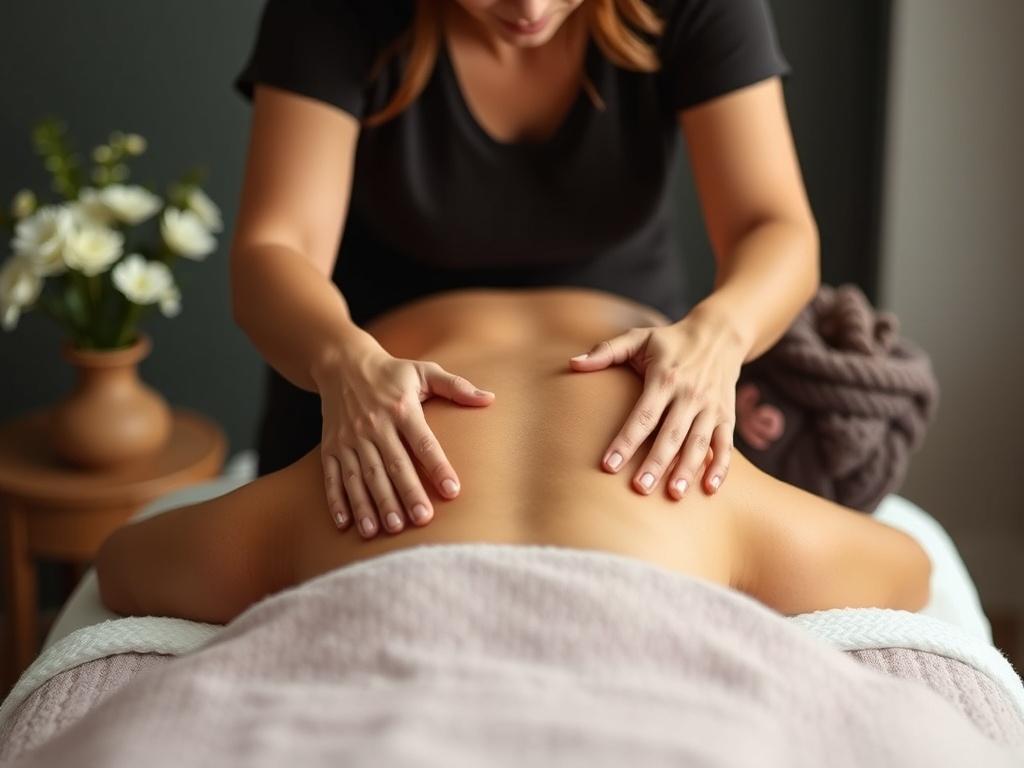
Massage is generally safe, but avoid or modify treatments in the presence of acute infections, fever, deep vein thrombosis, uncontrolled high blood pressure, recent fractures, or severe osteoporosis. Ask a doctor before massaging areas with active cancer without oncologist clearance—lymphatic manipulation, for instance, must be carefully managed.
- Stop if pain is sharp, tingling, or accompanied by numbness.
- Seek immediate care for unexplained swelling, redness, or bruising after a session.
- For pregnancy-related concerns (bleeding, severe cramps), contact a healthcare provider before booking a session.
Self-massage techniques and tools
Self-care between appointments extends benefits. Simple holds, foam rollers, tennis balls, and handheld massagers let you target sore spots safely. Use slow, deliberate pressure: move toward the heart, breathe deeply, and limit sessions to 5–20 minutes per area.
- Neck: use fingertips to knead base of skull and along trapezius with light pressure.
- Lower back: a tennis ball against a wall can reach lumbar trigger points without over-compressing the spine.
- Feet: roll a small ball or use thumbs to press plantar points—use moderate pressure.
Frequency, cost, and realistic expectations
How often to schedule massage depends on goals. For acute injuries, 1–2 times per week may be appropriate with professional guidance. For stress management and maintenance, monthly treatments or every two to three weeks often suffice. Costs vary widely by location and provider credentials; expect relaxation sessions to be less expensive than specialized therapeutic care.
Massage complements medical treatment but rarely resolves structural problems alone. Expect incremental improvement across several sessions rather than a single cure.
Aftercare: what to do following a session
Drink water to help flush metabolic byproducts, move gently rather than jumping into strenuous activity, and apply heat if muscles feel stiff afterward. It’s common to feel slightly tired or to have mild soreness for 24–48 hours after deep work; that usually fades as tissues settle. If discomfort worsens or new neurological symptoms appear, contact the therapist and a healthcare professional.
Finding the right therapist and ethical considerations
Look for licensed practitioners with positive reviews who are transparent about their training and insurance. Respectful professionals discuss scope of practice, obtain informed consent, and keep accurate records. If cultural or gender preferences matter, ask whether they can match you with a therapist you’ll feel comfortable with.
- Check credentials: massage therapy license, specialty certifications.
- Confirm policies: pregnancy handling, cancellation, and privacy.
- Watch for red flags: pressure to undress beyond therapeutic need, vague qualifications, or refusal to answer questions.
Culture, body image, and inclusivity
Massage should be inclusive. Professionals who create a welcoming environment—respecting body diversity, avoiding assumptions about appearance, and using gender-neutral language when preferred—improve outcomes. Communicate preferences clearly: if certain cues or touch patterns trigger discomfort, say so; a good therapist will adapt without judgment.
Practical checklist before your next massage
- Hydrate and eat lightly beforehand.
- Bring a list of medications and medical history highlights.
- Decide in advance about music, lighting, and draping preferences.
- Plan quiet time afterward—avoid scheduling demanding activities immediately after.
Conclusion
Massage can be a powerful ally for women’s physical and emotional well-being when chosen and applied thoughtfully: match the technique to your needs, prioritize consent and safety, work with trained professionals for special conditions like pregnancy or post-surgical recovery, and use self-care tools between sessions to maintain progress. With clear communication and realistic expectations, massage becomes a sustainable way to reduce pain, restore mobility, and create calm in an otherwise hectic life.