
What people mean by «Japanese massage»
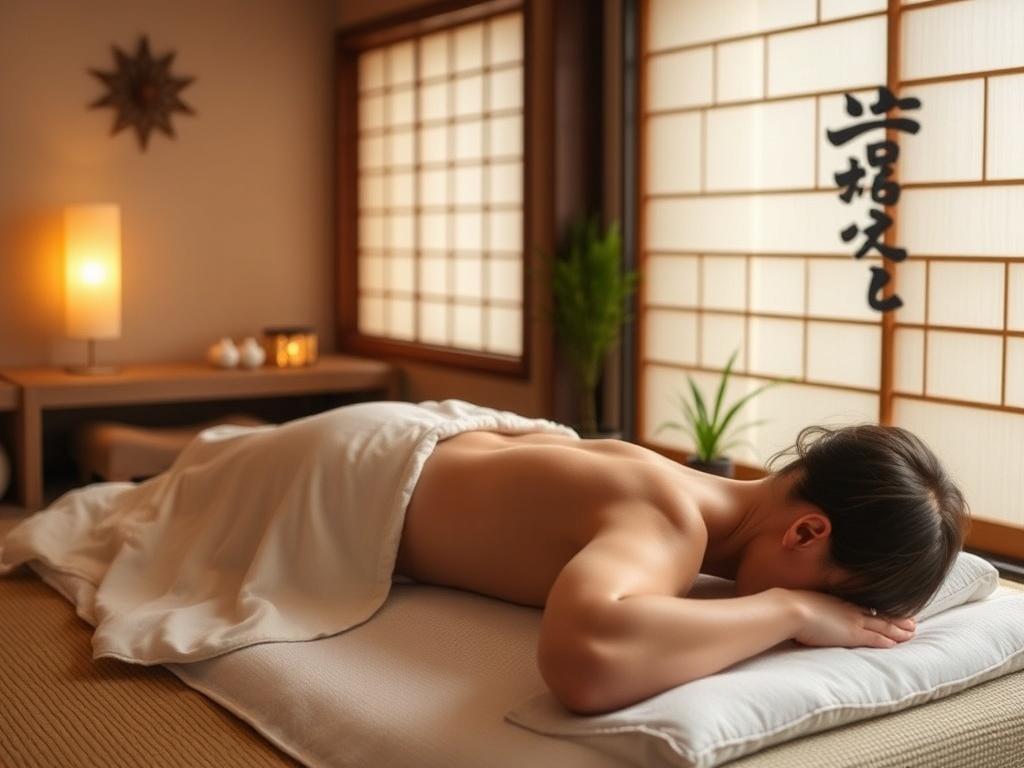
When someone says «Japanese massage» they’re usually referring to techniques rooted in Japan: shiatsu, anma, and related therapeutic bodywork that focus on pressure points, meridians, and hands-on manipulation. Shiatsu uses thumb and palm pressure along energetic lines; anma is an older form of Japanese rubbing and kneading; some therapists combine these with stretching, joint mobilization, and Western therapeutic methods. Understanding which style you want matters because the technique heavily influences session length, intensity, and ultimately price.
Typical price ranges — a quick overview
Costs vary by country, city, and whether you visit a clinic, a spa, or a freelance therapist. Below is a compact view of typical price bands for a single session; use these as a starting point rather than fixed rules.
| Session Length | Japan (¥) | United States (US$) | United Kingdom (£) | Australia (A$) |
|---|---|---|---|---|
| 30 minutes | 3,000–5,000 | 40–70 | 30–50 | 45–75 |
| 60 minutes | 6,000–10,000 | 60–120 | 45–90 | 70–140 |
| 90 minutes | 9,000–14,000 | 90–170 | 70–140 | 100–180 |
| 120 minutes | 12,000–18,000 | 140–250+ | 110–200 | 150–260+ |
How to interpret these numbers
Lower ends typically reflect small private practices, community clinics, or introductory offers. Mid-range pricing is common for experienced therapists in comfortable studios. The upper end includes high-end spas, appointments with senior practitioners, or mobile visits where the therapist comes to your home.
Factors that influence Japanese massage prices
Several variables determine what you’ll pay. Think of price as a package made from five main pieces:
- Training and credentials: Therapists with national certification, advanced diplomas, or many years of experience charge more.
- Location: Big cities and tourist areas carry higher rent and higher prices. A Tokyo central clinic or Manhattan studio will be pricier than a suburban practice.
- Session length and focus: A short restorative session costs less than a deep therapeutic appointment that requires assessment and targeted work.
- Setting and amenities: Luxury spas add towels, aromatherapy, and heated tables to the bill. Clinical settings often cost less but may feel more medical than pampering.
- Extras and add-ons: Cupping, hot stones, or oil work raise the price. Mobile/home visits involve travel fees.
How to tell whether a price is fair
Fair pricing balances credentials, local market rates, and what you personally value. Ask the therapist these simple questions before booking: How long have you practiced? What qualifications do you hold? Is this a diagnostic therapeutic session or relaxation work? Can you outline what will happen during the treatment? Clear answers indicate professionalism and justify a mid- to high-range fee.
Red flags
- Prices that are extremely low without explanation—this can mean inadequate training or poor hygiene standards.
- Vague or evasive answers about qualifications.
- Pressure to buy package deals on the spot or overly aggressive upselling.
Saving money without sacrificing quality
You don’t have to choose the cheapest option to get good value. Try these strategies:
- Book a shorter first session (30 minutes) to assess the therapist.
- Look for community clinics or training schools where supervised sessions are offered at reduced rates.
- Buy small multi-session packages from reputable clinics—these often reduce the per-session cost.
- Schedule midweek or daytime appointments; many practices run discounts during off-peak hours.
Insurance, medical claims, and reimbursement
Whether Japanese massage is covered depends on your insurer and how the treatment is classified. In some countries and policies, a licensed practitioner’s therapeutic massage prescribed by a physician can be partially reimbursed. Keep receipts, practitioner qualifications, and a letter of medical necessity when seeking reimbursement. Note: purely relaxation-focused sessions are rarely covered.
What happens during a typical session and how that affects price
Therapeutic appointments usually begin with an assessment of your history, current issues, and goals—this intake takes time and influences cost. Then the therapist uses pressure, stretching, and sometimes joint motion to address specific complaints. Sessions emphasizing assessment, corrective work, or integration with other therapies (physiotherapy or acupuncture) tend to be billed at higher rates than simple relaxation sessions.
Etiquette and tipping
Tipping customs differ. In Japan tipping is uncommon and can be refused. In the United States, tipping 15–20% is standard for spa and therapeutic care. In the UK and Australia, tipping is appreciated but not mandatory. When in doubt, ask the clinic’s policy or follow local norms.
Qualifications and licensing to look for
Training standards vary by country. In Japan, practitioners of anma, massage, and shiatsu can hold a national license awarded after passing a government exam; look for credentials or membership in professional associations. Outside Japan, therapists typically qualify through accredited massage schools and may hold diplomas, licenses, or registration with local regulatory bodies. Valid certification matters both for safety and for potential insurance claims.
Health benefits, risks, and contraindications
Japanese-style bodywork can relieve muscular tension, reduce stress, and improve circulation and mobility. However, it is not suitable for everyone. Avoid deep pressure if you have untreated blood clots, uncontrolled high blood pressure, fever, certain skin conditions, or immediately after major surgery. Inform the therapist about medications, pregnancy, and serious health conditions; they’ll adjust technique or decline treatment if necessary.
How to choose the right therapist
Quality comes from a combination of training, communication, and experience. Read reviews, check credentials, and talk to the therapist before booking. A good practitioner listens, asks focused questions, and explains their plan in plain language. Trust your intuition: if the therapist’s approach and personality don’t match your needs during a trial session, try elsewhere.
Common pricing questions answered
- Why are prices higher in luxury spas? You pay for ambiance, extra amenities, and the brand name—often also the most senior therapists.
- Is a longer session always better? Not necessarily. Shorter, targeted sessions can be more effective for specific problems; longer sessions are useful when you need full-body work or integrated therapies.
- Do packages save money? Yes, if you’re committed to regular care. Consider only packages that allow some flexibility or refunds for unused sessions.
Practical checklist before booking

- Confirm therapist credentials and areas of specialization.
- Ask what the session includes and the exact length.
- Double-check cancellation and rescheduling policies.
- Clarify payment methods and whether tips are included or expected.
- If you have a medical condition, bring a physician’s note if you hope to submit insurance claims.
Conclusion
Understanding Japanese massage pricing comes down to matching technique, therapist skill, and setting to your goals. Use the price ranges and red-flag tips here to evaluate offers, start with a short session to test fit, and remember that higher cost often reflects training, experience, and clinic overhead rather than a magic guarantee of better results. With a little research you can find a practitioner who suits your needs and budget—whether you want therapeutic correction, stress relief, or the quiet precision of traditional Japanese bodywork.