
What is Japanese massage?
Japanese massage refers to a family of therapeutic bodywork practices developed and refined in Japan over centuries. The most familiar styles outside Japan are shiatsu and anma, though modalities such as seitai and amma also play a role in the country’s healing traditions. These approaches emphasize pressure with fingers, thumbs, palms, elbows and sometimes feet, combined with an awareness of energy channels (meridians), joint mobilization and rhythmical movements. While any person can benefit from these therapies, many women seek Japanese massage for stress relief, musculoskeletal pain, menstrual and perinatal support, and relaxation tailored to female bodies and life stages.
Historical and social context
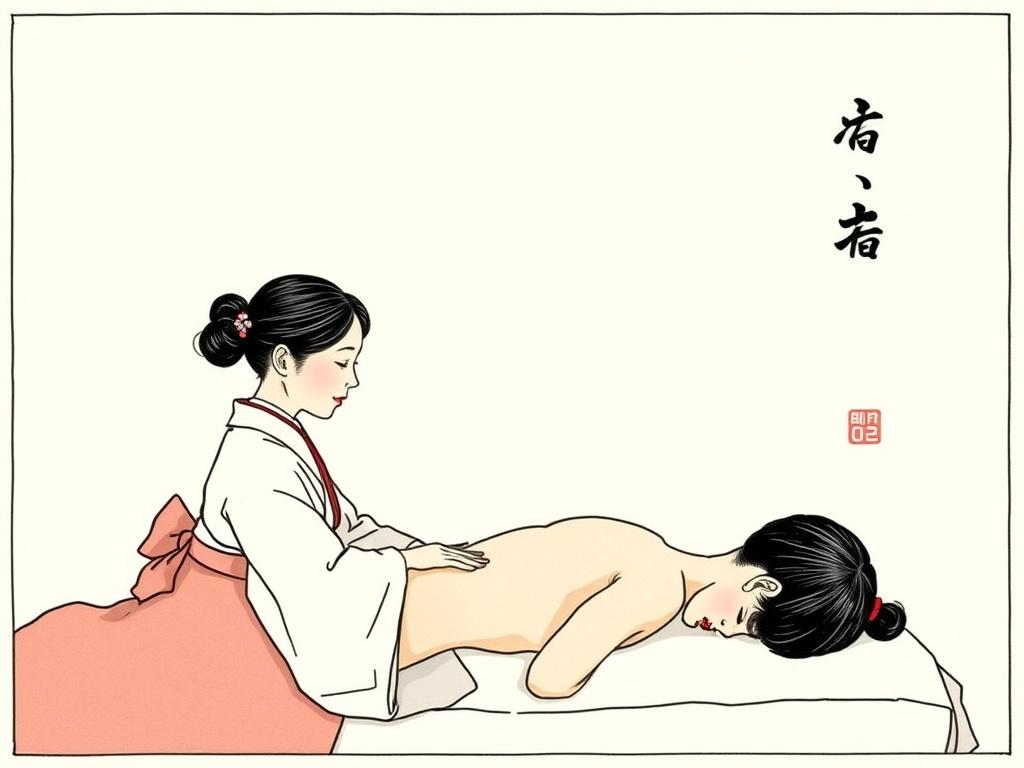
Massage in Japan has roots reaching back to the 6th and 7th centuries, when Chinese medical ideas were integrated into local practices. Over time, massage became both a medical therapy and a popular wellness service. Women have long been both practitioners and primary clients, with female therapists often specializing in care for women—addressing postpartum recovery, pelvic tension and hormonal cycles. In contemporary Japan and abroad, female massage therapists play an important role in clinics, ryokans (traditional inns), wellness centers and private practice, balancing technical skill with sensitive communication.
Major techniques and what they do
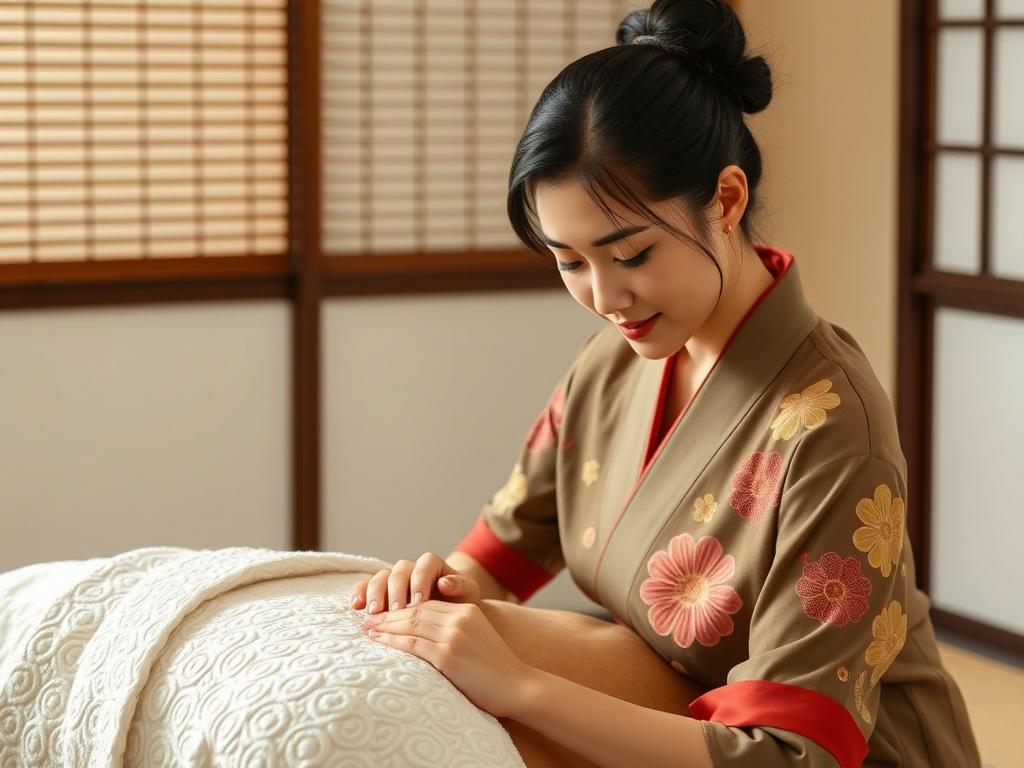
Each Japanese technique has a distinct focus and rhythm. Here are the main ones you are likely to encounter:
- Shiatsu — finger pressure along meridians to restore energy balance and relieve pain.
- Anma — a traditional form combining kneading, rubbing and tapping for relaxation and circulation.
- Seitai — structural alignment work that includes gentle adjustments and mobilizations.
- Amma — an older style emphasizing seated work and targeted pressure, often used for quick treatments.
How they differ — a quick comparison
| Technique | Main method | Typical pressure | Goals | Common session length |
|---|---|---|---|---|
| Shiatsu | Finger/thumb pressure along meridians | Moderate to firm | Energy balance, pain relief, stress reduction | 45–90 minutes |
| Anma | Kneading, rubbing, tapping | Light to moderate | Circulation, relaxation, muscle tension | 30–60 minutes |
| Seitai | Stretching, gentle adjustments | Gentle to moderate | Posture, alignment, joint mobility | 30–60 minutes |
| Amma | Seated pressure and tapping | Light to firm | Quick relief, focused treatment | 10–30 minutes |
Benefits women commonly report
Women often choose Japanese massage for reasons tied to the body’s changing rhythms and stresses. These are benefits reported in clinical practice and wellness settings:
- Reduction in neck, shoulder and lower back pain from pregnancy, caregiving and office work.
- Improved circulation and lymphatic drainage, which can help swelling during pregnancy or after surgery.
- Regulation of stress and anxiety through parasympathetic activation and breath awareness.
- Relief from menstrual discomfort by addressing pelvic muscle tension and promoting relaxation.
- Support for postpartum recovery—reshaping posture, easing tightness and improving sleep.
Safety, contraindications and special considerations
Although Japanese massage is generally safe, there are conditions where caution or medical clearance is needed. Always inform your therapist about medical history, medications and recent procedures.
- Contraindications: untreated deep vein thrombosis, unstable blood pressure, certain skin infections, and recent fractures or surgeries in the treatment area.
- Pregnancy: many therapists offer prenatal shiatsu and modifications, but some points and positions should be avoided—seek a therapist trained in prenatal care.
- Chronic conditions: with illnesses such as cancer, heart disease or autoimmune disorders, coordinate with your physician before treatment.
- Medication and bleeding disorders: those on blood thinners or with clotting problems need gentler techniques.
Common questions about safety
- Will shiatsu cause bruising? Properly trained therapists use pressure that should not bruise; report any discomfort immediately.
- Is it safe during early pregnancy? Specialized prenatal massage can be safe after the first trimester with informed practitioners.
- Can it interfere with medication? Generally no, but check with your doctor if you’re on strong cardiovascular drugs or anticoagulants.
How to choose a therapist
Finding the right therapist makes the difference between a routine session and transformative care. Women often prioritize communication, experience with female bodies, and a clean, respectful environment.
- Verify credentials: look for formal training in shiatsu, anma, or related modalities and membership in a professional association.
- Ask about experience: if you need prenatal, pelvic or postpartum care, ask how much time the therapist has spent treating women with similar needs.
- Discuss privacy and draping: confirm how privacy will be maintained and what clothing is appropriate for the session.
- Request a consultation: a brief pre-session talk reveals how the therapist assesses and explains treatment plans.
What to expect during a session
Sessions vary by style and clinic. A typical flow includes intake questions, a brief examination of posture or tension patterns, the hands-on work, and aftercare advice. Many sessions are done with the client fully clothed in loose garments (common for shiatsu and anma), while some techniques use oil and require partial undressing under professional draping. Communication is essential—tell the therapist about pressure preference, areas to avoid, and any new symptoms.
At-home and self-care techniques for women
You don’t need to be in a clinic to get benefits. Simple self-massage, breathwork and small tools can extend the effects of professional sessions:
- Shiatsu points: apply steady pressure for 20–30 seconds to the temples, shoulders and lower back to relieve tension.
- Foam rollers and massage balls: use gently on the hips, glutes and calves to reduce tightness from pregnancy or long standing.
- Breath-focused relaxation: combine diaphragmatic breathing with gentle neck and shoulder strokes for stress relief.
- Short seated amma routines: these can be done during breaks at work to reset posture and circulation.
Costs, locations and cultural etiquette
Prices depend on city, clinic type and practitioner credentials. Community centers and wellness clinics may offer more affordable sessions, while specialized prenatal or medical shiatsu tends to cost more. In Japan, modest tipping is not expected; abroad, follow local customs. Respectful behavior—arriving on time, sharing full health information and maintaining appropriate boundaries—creates a better experience for both client and therapist.
Practical checklist before your first appointment
- Confirm the therapist’s training and experience with women’s health.
- Wear loose clothing if the modality doesn’t use oil.
- Eat lightly before the session and hydrate afterward.
- Bring a list of medications and recent medical records if relevant.
Resources for learning and continued care
If you’re a woman interested in deeper knowledge—either to receive better care or to train professionally—look for continuing education in prenatal and pelvic care, accredited shiatsu schools, and associations that publish safety guidelines. Books and reputable online courses can teach basic self-massage and point location, but hands-on practice with a qualified instructor is irreplaceable for advanced skills.
Summary table: who might benefit most
| Life stage or concern | Why Japanese massage helps | Recommended modality |
|---|---|---|
| Prenatal | Reduces swelling, relieves low back pain, supports relaxation | Prenatal shiatsu or gentle anma |
| Postpartum | Addresses pelvic tension, improves posture, aids recovery | Seitai and targeted anma |
| Chronic pain | Releases muscle tightness, improves mobility | Shiatsu with structural work |
| Everyday stress | Promotes relaxation and better sleep | Short amma sessions or anma |
Finding culturally sensitive care
Because Japanese massage draws on cultural concepts like ki (energy) and meridians, some clients appreciate therapists who can explain these ideas in relatable terms. Others prefer purely anatomical explanations. Good practitioners adapt: they offer clear reasons for techniques, describe expected sensations and provide alternatives when cultural language or concepts don’t resonate.
Final practical tips
- Be specific about goals—relief, relaxation, or structural change—so the therapist can plan the session.
- Keep a short diary of symptoms after sessions to track patterns and progress.
- Combine massage with classes in posture, gentle strength training, or pelvic floor work for longer-lasting results.
Conclusion
Japanese massage offers a spectrum of gentle to firm techniques that suit many of the physical and emotional needs women face across life stages; choosing a trained therapist, communicating clearly about health and preferences, and combining professional sessions with at-home self-care will maximize benefits while keeping safety front of mind.