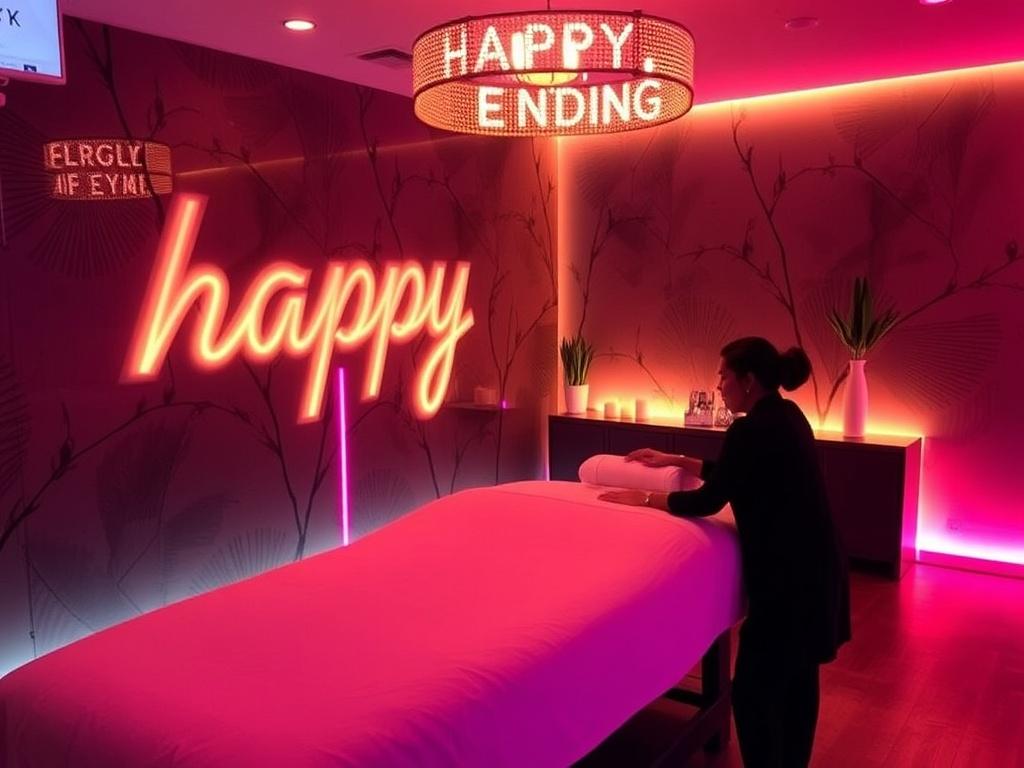

Defining the term and the realities on the ground
The phrase «happy ending» usually refers to a massage that culminates in sexual release for the client. In New York City that phrase can point to a wide range of places: a licensed therapeutic clinic that offers professional bodywork only, an unlicensed parlor that quietly provides sexual services, or encounters arranged through escort or online networks. The distinction matters because some venues operate as legitimate health and wellness businesses while others are part of an underground economy that carries legal, health, and safety risks.
Legal framework in New York
What the law covers
Under New York law, exchanging sexual acts for money can constitute prostitution or related offenses. Selling or procuring sexual services, and soliciting such services in public, are criminal matters. Businesses that offer massage must also conform to local licensing and public-health standards; unlicensed bodywork services can attract civil penalties and criminal charges if they’re a front for prostitution.
Licensing and oversight
Licensed massage therapists should be registered with the appropriate state or municipal authority and typically work in businesses that meet sanitation and inspection requirements. The city’s consumer protection and health agencies may inspect establishments; license verification is a practical way to confirm whether a spa or clinic is operating within the rules.
Why legality and enforcement matter
Operating outside the law raises multiple hazards. Clients can be exposed to criminal liability or scams; workers in unregulated settings may face exploitation, unsafe conditions, and limited access to healthcare. Law enforcement sometimes targets venues suspected of trafficking or exploitation; raids and sting operations can disrupt lives on both sides and don’t necessarily address root causes. Understanding the legal landscape helps people make safer decisions and reduces the chance of inadvertent harm.
Health and safety risks
— Sexually transmitted infections: Unprotected sexual activity increases the risk of STIs. Clinics with medical oversight and easy access to testing lower that risk for those seeking help.
— Violence and coercion: Unregulated businesses can place workers and clients at risk of assault or extortion. Power imbalances and isolation are common risk factors.
— Scams and theft: Some places advertise services they don’t intend to provide, or overcharge and then threaten clients who complain.
— Trafficking and exploitation: Some illicit operations involve coerced labor or trafficking victims, which creates serious ethical and legal implications for clients who knowingly or unknowingly participate.
How to identify legitimate massage providers
Look for clear, verifiable signals of legitimacy:
- Visible license numbers and therapist credentials posted or available on request.
- Business address and contact information that check out (not just a mobile number).
- Transparent pricing and written policies on cancellations and scope of practice.
- Positive, consistent reviews from a range of sources—not only anonymous forum posts.
- Professional online presence (website with staff bios, appointment system) and membership in recognized associations.
If you’re unsure, call the relevant state licensing board or the NYC consumer-protection office to confirm credentials before booking.
Alternatives to illegal erotic services
If the goal is intimacy, relaxation, or erotic touch without legal risk, consider legal options:
- Licensed sensual or tantric bodyworkers who explicitly advertise within legal and professional boundaries.
- Couples’ massage at reputable spas—these provide close, intimate setting without sexual services.
- Sex therapy or counseling for relationship or sexual concerns, provided by credentialed therapists.
- Community workshops (body-positive, breathwork, tantra) led by credentialed instructors focused on consent and safety.
- Consensual encounters with adults through platforms that emphasize legality and mutual consent—while recognizing these can carry their own risks where prostitution laws apply.
Practical safety tips (clients and visitors)
- Confirm the provider’s licensing and the business address before you go.
- Read reviews from multiple sources; beware of exclusively anonymous praise or short, repetitive comments.
- Use venues that accept appointments and have written policies—walk-ins with closed doors and no receipts are higher risk.
- Bring a friend if you feel uncertain about safety, or tell someone where you’ll be and when you expect to return.
- For health concerns, use reputable clinics for STI testing (e.g., Planned Parenthood or NYC Department of Health services).
Information for workers: rights, resources, and safer practices
Workers in the massage, bodywork, or erotic service sectors face legal and occupational challenges. Knowing rights and resources can reduce harm:
- Know your legal protections as a worker—wage law, anti-discrimination protections, and workplace safety rules may apply depending on employment status.
- Access health services regularly: routine STI testing, wound care, and mental-health support are important.
- Document incidents of abuse or coercion and reach out to local advocacy organizations that support sex workers’ rights and safety.
- Consider joining peer networks or unions where available to improve bargaining power and safety protocols.
- If you or a colleague are being trafficked or coerced, contact the National Human Trafficking Hotline (1-888-373-7888) or local law enforcement trained in victim-centered responses.
Reporting issues and seeking help
If you encounter suspected trafficking, exploitation, or a business that’s operating outside the law, there are several routes:
- National Human Trafficking Hotline (1-888-373-7888) — confidential assistance and referrals.
- NYC Department of Health for sanitation or health-code violations.
- Local police for immediate dangers, assault, or theft—call 911 for emergencies.
- Legal aid organizations and worker-rights groups can advise on employment disputes and safety planning.
How enforcement and community responses have evolved
New York’s approach to sex work, trafficking, and massage-industry regulation has shifted over time in response to concerns about exploitation, public health, and community safety. Recent trends emphasize victim-centered responses to trafficking and better coordination between public-health agencies and law enforcement. At the same time, grassroots advocacy for decriminalization and worker protections continues to shape conversations about how to reduce harm and protect rights.
What lawmakers and advocates debate
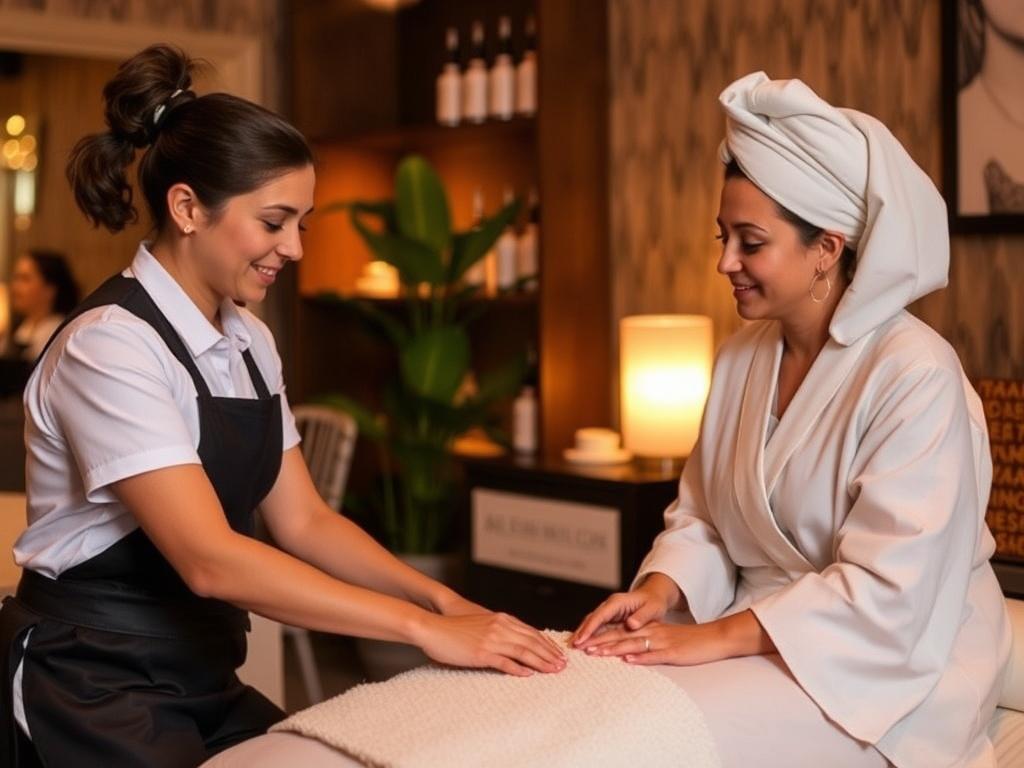
There’s an ongoing policy debate between advocates who push for decriminalization (arguing it reduces harm and improves health outcomes) and those who favor strict enforcement against establishments that enable exploitation. Practical reforms being discussed include clearer licensing rules, improved inspections, and stronger pathways to services for people who have been trafficked.
Quick reference table: types of establishments and key considerations
| Type of establishment | Typical indicators | Legal status | Main risks |
|---|---|---|---|
| Licensed clinic / spa | Posted licenses, trained therapists, appointment system | Legal when operating within scope of licensing | Low—mainly service quality or billing issues |
| Unlicensed parlor | No posted credentials, cash-only, vague address | Potentially illegal; subject to closure | Higher risk of exploitation, health hazards, and arrest |
| Escort/independent arrangements | Contact through ads or platforms; meetings in private locations | Legal status varies; may implicate prostitution laws | Safety risks, scams, legal exposure |
| Trafficking operation | Signs of control over workers, lack of freedom | Illegal; criminal enterprise | Severe exploitation and criminal liability for organizers |
Frequently asked questions
Is it illegal to receive a “happy ending” in NYC?
Exchanging money for sexual activity can fall under prostitution laws; participating can create legal risk for both the client and provider. The specific circumstances matter, and law enforcement priorities can vary.
Can a licensed massage therapist provide sexual services?
No. Licensed practitioners are bound by professional and legal standards; providing sexual services undermines licensing rules and can lead to criminal charges and loss of license.
If I’m unsure about a place, what’s the safest move?
Choose a clearly licensed business with verifiable credentials. If anything feels off—unprofessional behavior, pressure, or requests that cross boundaries—leave and report the incident to local authorities or consumer-protection agencies.
Final practical checklist before booking

- Verify provider license and business address.
- Read multiple reviews and check professional associations.
- Confirm pricing and scope of service in writing or by email.
- Tell someone where you’ll be or bring a companion if you feel uneasy.
- Prefer services that prioritize consent, privacy, and transparent boundaries.
Conclusion
Happy-ending services in New York City sit at the intersection of law, health, and ethics; choosing safety means preferring licensed providers, understanding legal boundaries, and using community and public-health resources when concerns arise—whether you are a client, a worker, or someone trying to help a vulnerable person.