
Nuru massage has become a topic of curiosity around Brooklyn’s diverse wellness scene. Briefly: it’s a specialized bodywork style that uses a slippery gel to increase skin-to-skin glide, offering deep contact and prolonged, fluid motion. That description leaves space for many questions — how it differs from standard therapeutic massage, what’s legal in New York, how to find a reputable practitioner, and how to stay safe and comfortable. This article answers those questions cleanly and practically, so you can decide whether a nuru session is right for you and how to approach one responsibly.
Origins and what a nuru massage is
Nuru originated in Japan and centers around a viscous, often seaweed-derived gel that creates a slick surface for hands and bodies to move against each other. Traditionally the goal is relaxation and sensory experience through extended, gliding contact. Modern interpretations vary: some focus strictly on therapeutic relaxation while others mix sensual elements. The key feature is the gel’s slipperiness, which lets the practitioner perform broad, flowing movements across the recipient’s body.
Technical, non-sexual perspective
Seen purely as bodywork, nuru emphasizes pressure distribution, prolonged contact, and skin stimulation to promote relaxation, circulation, and a sense of grounding. If your interest is strictly therapeutic, look for providers who frame nuru as a modality of professional bodywork and who discuss goals, contraindications, and boundaries up front.
Variations you may encounter
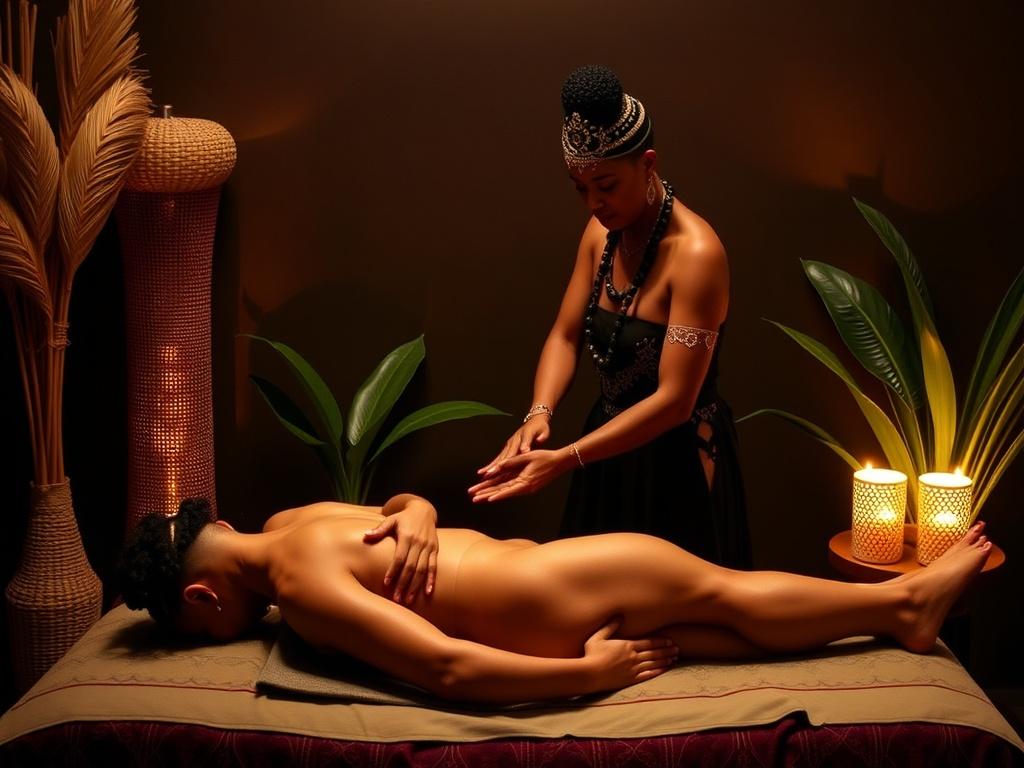
Some spas offer “nuru with full-body glide” in a clinical setting; other establishments present more intimate or sensual versions. Practitioners also vary the gel composition (organic seaweed, aloe-based mixes, commercially made gels) and the techniques (body-to-body versus hand-only glide). Always clarify what the provider means by their service description.
Legality and regulation in Brooklyn
New York regulates massage and bodywork through licensing, business permitting, and health codes. Importantly, commercial sexual services for hire are illegal under state law, and that affects how some services are advertised and delivered. Reputable spas and licensed massage therapists will operate openly, post their credentials, and maintain sanitary, insured spaces. If a provider avoids documentation or asks you to skip standard intake procedures, consider that a warning sign.
What to verify before booking
- Professional licensing or certification (ask to see identification or a business license).
- Clear business address and contact information.
- Written service descriptions and pricing.
- Hygiene standards and COVID-era policies where relevant.
How to find a reputable provider in Brooklyn
Start with basic vetting: reviews on reputable platforms, a professional website, and transparent contact details. Licensed spas usually list practitioner qualifications and the facility follows visible sanitary practices. If the business requires cash-only payment, or if messages and booking happen exclusively through private chat with little public presence, pause and investigate further.
Trust your instincts. If a place feels evasive when you ask direct questions about procedure, boundaries, or aftercare, move on. A professional practitioner will welcome questions about training, sanitation, and what the session will involve.
What to expect during a session
A professional nuru session typically follows a predictable structure: an intake conversation, brief health screening, consent discussion about boundaries and touch, the session itself, and short aftercare or recovery time. Arrival procedures may include changing in a private area and showering before the massage. Towels, clean linens, and sanitized surfaces are standard. Clear communication about whether the session includes full-body contact or stays hand-to-body only should happen before payment and any undressing.
Practical checklist for your appointment
- Bring ID and any necessary medical information.
- Wear what makes you comfortable; expect to be offered towels for modesty.
- Ask about the gel ingredients if you have allergies or sensitive skin.
- Confirm the duration, price, and cancellation policy up front.
Safety, hygiene, and health considerations
Hygiene is non-negotiable. A facility should use fresh linens each session, clean surfaces between clients, and provide the option to shower. Because nuru involves close skin contact and gel, ask about the gel’s ingredients if you have allergies, eczema, open wounds, or contagious skin conditions. People with certain medical conditions — uncontrolled hypertension, recent surgery, pregnancy without clearance from a healthcare provider — should consult a doctor before booking.
Communicate your boundaries clearly. Consent is active and reversible: you may stop or alter the session at any time. A professional will respect that without pressure. Finally, while massage reduces stress and can improve circulation, it is not a substitute for medical care.
Questions to ask before booking
- Are you licensed or certified as a massage therapist in New York?
- What are the exact services included in the session?
- What is in the gel, and is it hypoallergenic?
- Do you require showering before the session?
- What are your sanitation and cleaning procedures?
- How do you handle consent and boundaries during the session?
- What is your cancellation and refund policy?
Red flags to watch for
- No business address or listing, or a private residence advertised as a commercial spa.
- Provider refuses to discuss licensing or sanitize between clients.
- Pressure for extra services not listed in the official description.
- Requests to bypass intake forms or skip showering.
- Clearing payments exclusively in cash with no receipt option.
Pricing, tipping, and etiquette
0
Pricing for nuru-style sessions varies widely depending on the facility, practitioner experience, and session length. Because the service often uses specialized products and extended time, rates can fall above standard therapeutic massage pricing. Ask for an all-in price that includes any taxes or gratuity so there are no surprises. Tipping is customary for positive experiences, but follow local customs and the facility’s posted policy.
Alternatives if you want the therapeutic effect without the intimacy
- Swedish or deep-tissue massage for relaxation and muscle work.
- Couples massage if you want shared experience without a single practitioner using body-to-body techniques.
- Hydrotherapy or float therapy to experience reduced pressure and sensory relaxation.
- Aromatherapy or guided relaxation sessions to enhance sensory calm without close physical contact.
Quick comparison table
| Feature | Traditional Nuru | Therapeutic Massage | Couples Session |
|---|---|---|---|
| Primary focus | Skin-to-skin glide and sensory experience | Muscle release, pain relief, circulation | Shared relaxation, side-by-side treatment |
| Contact level | High (full-body glide common) | Moderate (hands-on but targeted) | Varies; simultaneous but typically not body-to-body |
| Sanitation concerns | Gel hygiene and fresh linens are crucial | Standard massage sanitation procedures | Same as therapeutic massage |
| Licensing expectations | Depends on how it’s marketed; professional practice should be licensed | Practitioners usually licensed/certified | Performed by licensed therapists |
Finding peace of mind
In Brooklyn’s busy wellness market, your priority should be clarity: know what you want, ask direct questions, and confirm credentials and sanitation before you arrive. If you encounter anything that feels off — evasive answers, hidden fees, or pressure to accept services outside the posted scope — step away. Good providers are transparent, respectful, and clear about limits and safety.
Conclusion
Nuru massage in Brooklyn can offer a distinctive and deeply relaxing bodywork experience when performed professionally and within legal boundaries; prioritize licensed, transparent providers, verify cleanliness and gel ingredients, communicate clear consent and health conditions, and treat red flags — such as evasive businesses or cash-only arrangements — as reasons to walk away; with sensible precautions you can explore this modality safely or choose close alternatives that match your comfort and wellness goals.