
What is hot massage?
Hot massage refers to bodywork that uses heat as a primary therapeutic tool. Whether the warmth comes from smooth basalt stones, warmed oil, moist towels, or electrically heated pads, the goal is the same: relax tissues, improve circulation, and deepen muscle release. Heat is not a gimmick here; properly applied thermal energy modifies tissue properties and changes the way your nervous system responds to touch.
Brief history and cultural roots
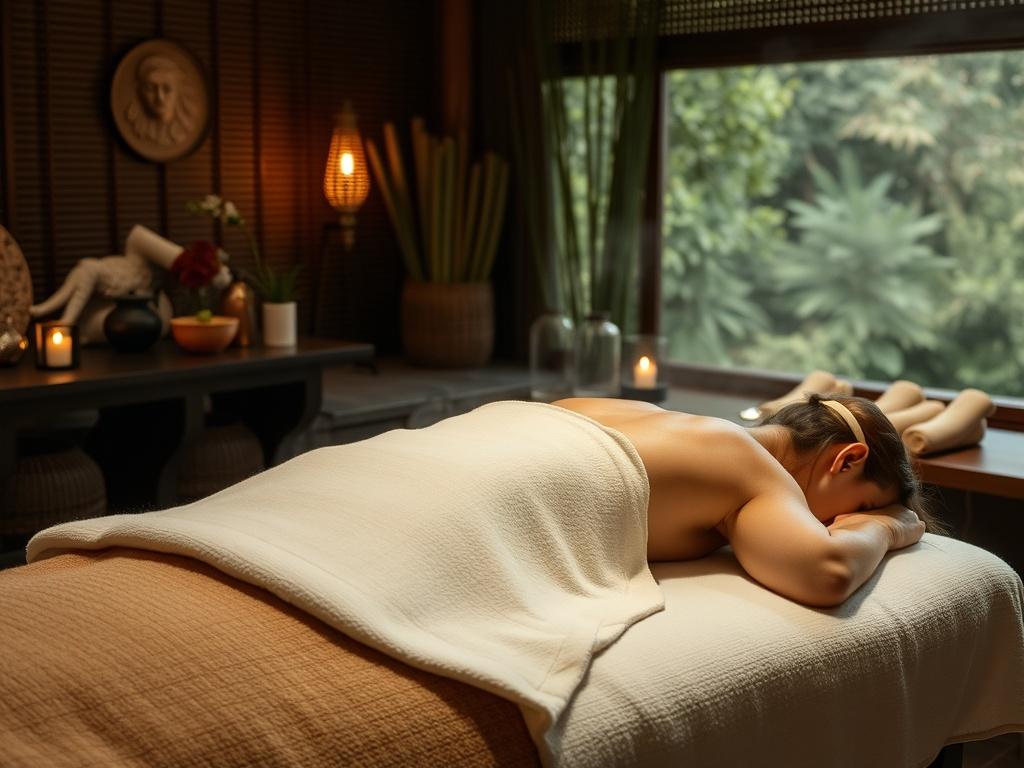
Warmth and therapeutic touch are ancient companions. From Ayurvedic abhyanga with heated herbal oils to indigenous steam-and-compress traditions, cultures worldwide have paired heat with massage. Hot-stone therapy, most associated with modern spas, draws on similar principles: heat enhances comfort and makes manual techniques more effective.
Types of heated massage and how they differ
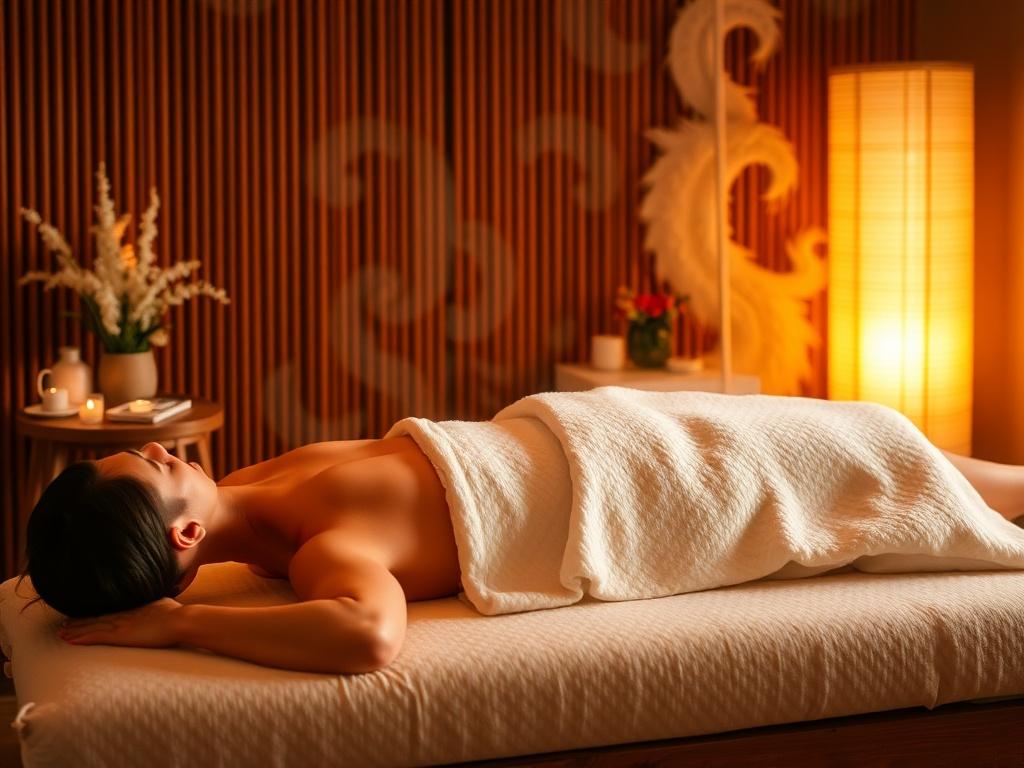
Not all hot massages feel the same. The technique, the medium of heat, and the therapist’s intention determine whether the session is restorative, deeply therapeutic, or simply indulgent.
Hot stone massage
Smooth, heated stones—usually basalt—are placed on key points and used as extensions of the therapist’s hands. The stones’ mass holds heat, allowing for sustained warmth that melts muscle tension and lets the therapist apply firmer pressure without discomfort.
Hot oil massage
Oils warmed to body or slightly higher temperature are used to deliver nurturing glides. Warm oil increases skin pliability and can be a carrier for aromatherapy or herbal extracts. This format often emphasizes relaxation and sensory comfort.
Hot towel or compress techniques
Steamed towels or herbal compresses offer moist heat that penetrates differently than dry heat. Compresses are often used in localized protocols—neck, shoulders, or joints—to relieve stiffness and hydrate superficial tissues.
Heated table and electric pads
Many clinics use warmed massage tables or electric pads to maintain a comfortable core temperature and to preheat areas before deeper work. These options are practical and allow controlled, uniform heat across larger areas.
Benefits backed by physiology and experience
- Muscle relaxation: Heat decreases muscle spindle firing and increases tissue extensibility, which allows muscles to lengthen and release more easily.
- Pain reduction: Increased blood flow helps clear metabolic waste and delivers oxygen and nutrients that support recovery.
- Improved mobility: Warmer tissues respond better to stretching and joint mobilization, helping restore range of motion.
- Enhanced relaxation: Heat downregulates the sympathetic nervous system, lowering stress markers and promoting a sense of calm.
- Skin and connective-tissue effects: Moist heat in particular can hydrate superficial layers and support fascial softening.
How heated massage works: a practical explanation
Heat changes the mechanical and neural environment of soft tissues. On the mechanical side, collagen and muscle fibers become more pliable, which lets therapists achieve deeper releases with less force. On the neural side, warmth activates thermoreceptors that can inhibit pain signals via gate-control mechanisms. Combined touch and heat also produce a powerful relaxation response that isn’t purely physical—expect measurable shifts in breathing and heart rate during a well-executed session.
Safety, contraindications, and precautions
Heat is therapeutic, but it’s not always appropriate. Always tell your therapist about medical conditions and medications because heat can amplify circulation and affect skin sensitivity.
- Absolute contraindications: recent deep vein thrombosis, uncontrolled diabetes with neuropathy, acute infection, open wounds, and severe peripheral vascular disease.
- Use caution: pregnancy (avoid heated abdomen), varicose veins, hypertension, recent radiotherapy in the area, and skin conditions that compromise sensation.
- Temperature control: temperatures should be comfortable—not scalding. A good therapist checks with you frequently and uses barriers like towels between stone/oil and skin if needed.
What to expect during a heated massage session
Sessions usually begin with a short intake to review health history and goals. The therapist may warm your body with stones or a heated blanket, then apply modality-specific techniques. Hot-stone work alternates between stone placement and hands-on strokes; oil sessions are smoother and more continuous. Communication is essential: say if a temperature or pressure is too strong. Aftercare often includes hydration, gentle movement, and avoiding cold exposure for a few hours.
Typical session lengths and sequence
Standard sessions run 60 to 90 minutes. A common structure: 10–15 minutes of warming, 35–60 minutes of targeted work, and 5–10 minutes of soothing closure. Therapists may focus more time on problem areas when addressing chronic tightness or injury.
Choosing a therapist and what to ask
Select a practitioner with formal training in your chosen modality. Licensure and professional affiliation are useful quality indicators. Before booking, ask:
- What training do you have in heated massage or hot-stone therapy?
- How do you control stone/oil temperature?
- What measures do you take for clients with circulatory or neurological conditions?
- Can you provide references or reviews?
DIY and at-home heated massage: sensible methods
You can safely bring thermal therapy into your routine if you follow basic rules. Use microwaveable heat packs or warm towels rather than open flames, test any warm object on your inner wrist before applying, and limit local heat to 15–20 minutes. Self-massage with warmed oil can be effective for neck and shoulders; use light-to-moderate pressure and avoid aggressive strokes if sensation feels numb.
Temperature guidelines and timing
Precise numbers vary, but general safe ranges help prevent burns: warm compresses typically sit between 40–45°C (104–113°F). Hot-stone baths for the stones are usually kept between 48–60°C (118–140°F) in the heater, with actual skin contact temperatures much lower due to towels or oils. When in doubt, trust client feedback—comfort and safety over intensity.
Costs and accessibility
Prices depend on location, therapist experience, and modality. Expect to pay more for specialized techniques like clinical hot-stone therapy than for straightforward heated table sessions. Many clinics offer package deals for multiple visits; these can be cost-effective if you’re using heat therapeutically rather than occasionally.
Evidence and clinical considerations
Clinical research supports heat as an adjunct to manual therapy for short-term pain relief and improved flexibility. Strong evidence for long-term structural change is limited; heat often works best when paired with exercise, stretching, or rehabilitation. For chronic conditions—arthritis, myofascial pain—thermal massage can be part of a multimodal plan rather than a standalone cure.
At-a-glance comparison
| Type | Heat source | Best for | Typical duration | Not recommended for |
|---|---|---|---|---|
| Hot stone | Heated basalt stones | Deep muscle tension, relaxation | 60–90 minutes | Loss of sensation, varicose veins |
| Hot oil | Warmed carrier oil | Stress relief, skin hydration | 45–90 minutes | Open wounds, oil allergies |
| Hot towels/compress | Steamed cloth, herbal compress | Localized stiffness, joint heat | 10–30 minutes per area | Acute inflammation, infection |
| Heated table/pad | Electric heating elements | Whole-body comfort, preheating | Throughout session | Skin sensitivity, certain implants |
Common misconceptions
Heat is not always better than cold. Use heat for chronic stiffness and cold for acute inflammation. Also, hotter is not stronger; excessive temperature risks burns without improving therapeutic outcomes. Finally, heat won’t realign structural damage on its own—combine it with active rehabilitation where appropriate.
Practical tips for a better session
- Hydrate before and after; heat and massage move fluids.
- Wear loose clothing to and from the appointment for comfort.
- Arrive with a clear list of problem areas and any relevant medical history.
- Expect to relax; breathing slowly during warmth intensifies tissue release.
- If you have chronic conditions, bring written clearance from your healthcare provider when necessary.
When to seek medical advice
If pain is severe, worsening, accompanied by fever, unexplained numbness, or signs of infection, consult a medical professional before scheduling heated massage. Chronic medical conditions that affect circulation, blood clotting, or skin integrity warrant physician input to ensure safety.
Final practical checklist before booking
- Confirm therapist training and sanitation practices.
- Ask how temperatures are monitored and adjusted.
- Disclose medications and health issues.
- Plan for light activity after the session; avoid intense exercise immediately afterward.
Conclusion
Heated massage is a versatile, effective tool when used thoughtfully: it eases stiffness, reduces pain, and deepens relaxation by combining thermal effects with skilled manual work. Success depends on matching the modality to the client’s goals, respecting contraindications, and communicating clearly about comfort and health. Used as part of a broader self-care or rehabilitation plan—alongside movement, hydration, and appropriate medical oversight—it can be a valuable addition to both occasional pampering and serious therapeutic care.