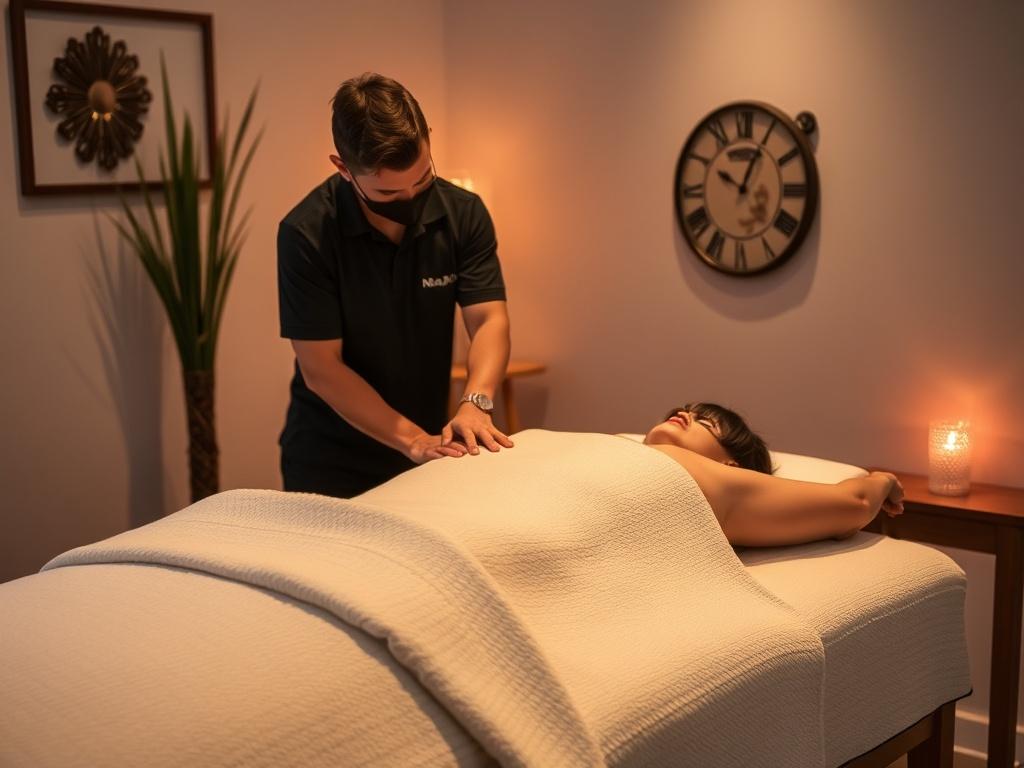

Whether you want gentle stress relief after a long commute across the George Washington Bridge or targeted sports therapy between training sessions, New Jersey offers a wide range of massage options. This guide explains how massage is regulated in the state, what treatments you’ll encounter, how to choose a qualified practitioner, practical etiquette and pricing, and where to look for specialist services.
Why people get massage in New Jersey
People visit massage therapists for many reasons: to reduce muscle tension, ease chronic pain, improve mobility after injury, prepare the body for athletic events, or simply to relax. Beyond the immediate physical benefits, regular therapy can improve sleep quality, lower stress hormones, and support recovery when used alongside medical care. In a densely populated, transit-heavy state like New Jersey, massage clinics and mobile therapists help busy residents fit self-care into tight schedules.
Regulation, licensing, and safety
Massage therapy in New Jersey is regulated by a state board. Therapists must meet education and exam requirements established by that board to earn a license. Always confirm a practitioner is licensed before booking. The New Jersey Division of Consumer Affairs provides license lookup tools and handles complaints — useful if you have concerns about hygiene, scope of practice, or ethical issues.
Good practices to expect: a written intake form that documents medical history, clear communication about what the session will include, proper draping, and a sanitary treatment room. Therapists should not diagnose medical conditions or promise cures; responsible providers will refer you back to a physician when a condition requires medical evaluation.
Types of massage you’ll find in New Jersey
New Jersey clinics and spas offer the full spectrum of modalities, from classic relaxation massage to medically focused approaches. The right choice depends on your goals, pain levels, and any health restrictions. Below is a quick reference table comparing common types.
| Massage | Typical Duration | Best For | Pressure/Feel | Common Contraindications |
|---|---|---|---|---|
| Swedish | 30–90 minutes | Relaxation, general tension | Light–medium | Fever, active infection |
| Deep Tissue | 45–90 minutes | Chronic muscle pain, adhesions | Firm, targeted | Bleeding disorders, acute injury |
| Sports | 30–90 minutes | Athletes, pre/post-event care | Variable—often firm | Fractures, severe soft-tissue injury |
| Prenatal | 30–75 minutes | Pregnancy-related discomfort | Gentle to medium | High-risk pregnancy (consult physician) |
| Trigger Point / Myofascial | 30–60 minutes | Focal pain, restricted movement | Firm, focused | Recent surgery near treatment area |
| Lymphatic Drainage | 30–90 minutes | Swelling, post-surgical edema | Very light | Active infection, certain cancers |
| Thai / Shiatsu | 60–120 minutes | Flexibility, energy balancing | Rhythmic, stretches included | Severe osteoporosis, unstable joints |
Specialty and clinical options
If you have a diagnosed condition — like sciatica, rotator cuff injury, or post-operative stiffness — look for clinics that offer medical massage, physical therapist–led programs, or therapists who work with physicians. Some practices combine manual therapy with modalities such as cupping, kinesiology taping, ultrasound, or instrument-assisted soft-tissue mobilization. Discuss goals and expected outcomes before beginning a clinical plan.
How to find and vet a therapist
- Verify the license: use the state’s license lookup to confirm credentials and any disciplinary history.
- Check specializations: read bios for sports, prenatal, or medical experience relevant to your needs.
- Read reviews, but weigh them: consistent patterns (positive or negative) matter more than single ratings.
- Ask about continuing education: reputable therapists pursue ongoing training in new techniques and safety protocols.
- Request a preliminary conversation: a short phone call can reveal communication style, comfort with your issue, and whether the therapist accepts physician referrals or insurance paperwork.
What to expect at your first appointment
- Intake and health history: you’ll fill out forms detailing medical conditions, medications, and goals.
- Discussion of pressure and boundaries: you and the therapist agree on areas to avoid and comfort level.
- Draping and privacy protocols explained: the therapist should make you comfortable about undressing to your comfort level.
- Aftercare advice: stretches, heat/ice recommendations, and hydration tips for post-session care.
Pricing, insurance, and saving money
Session prices vary by location, therapist experience, and type of service. As a general range, expect about $60–$150 for a standard 60-minute session, with higher rates in major urban centers and resort spas. Packages often reduce per-session cost and make sense if you plan regular care. Tipping of 15–20% is customary for table service; check spa policies for gratuity inclusions.
Massage is not consistently covered by health insurance in the United States, but some plans reimburse with a doctor’s referral or when delivered by a licensed clinician within a medical facility. Flexible Spending Accounts (FSA) and Health Savings Accounts (HSA) may cover therapeutic massage if prescribed. Always check with your insurer and request an itemized receipt if you plan to seek reimbursement.
Mobile massage, spas, or clinics — choose your setting
Each environment has advantages:
- Mobile therapists bring convenience and privacy to your home, ideal for busy schedules or people with mobility issues.
- Day spas excel at relaxation packages, add-ons like facials, and a pampering atmosphere.
- Medical or sports clinics provide targeted therapy with access to diagnostic support and rehabilitation equipment.
Consider noise levels, table hygiene, and the availability of support staff when choosing. Mobile sessions should still follow the same intake and consent protocols as clinic visits.
Where people go in New Jersey — regional notes
Northern New Jersey (Hoboken, Jersey City, Bergen County) tends toward urban wellness clinics and small boutique spas catering to commuters. Central Jersey (Princeton area, Middlesex County) mixes independent therapists and university-affiliated wellness offerings. The Jersey Shore and Atlantic City feature resort spas, beachfront packages, and seasonal influxes of therapists. Southern New Jersey has a blend of community clinics and sports therapy centers for active lifestyles.
Training and careers in massage therapy in New Jersey
If you’re considering a career, look for state-approved training programs that prepare students for the state board requirements and licensure exams. Continuing education is important for licensure renewal and for staying current with evidence-based techniques. New therapists often begin in spas or clinics and later specialize or open private practices. Business considerations include liability insurance, record-keeping, and compliance with local health codes.
Practical checklist before booking
- Verify the therapist’s state license and any specialties.
- Confirm cancellation and COVID-illness policies.
- Ask whether the facility accepts referrals, insurance paperwork, or HSA receipts.
- Clarify session length, price, and whether tips are included.
- Disclose recent surgeries, blood-thinning medications, pregnancy, or contagious illness.
Final safety notes
Speak up during a session if pressure is uncomfortable or if you experience pain beyond expected pressure-related discomfort. A reputable therapist will adjust technique, explain what they’re doing, and provide alternatives. If a therapist suggests stopping medical treatment or promises dramatic results without medical follow-up, consider it a red flag and seek a second opinion.
Conclusion
Massage in New Jersey covers a broad spectrum — from relaxing spa treatments to medically oriented therapy — and the best choice depends on your goals, medical history, and budget. Verify licenses, ask targeted questions, and choose an environment that matches your needs. With the right therapist and clear communication, massage can be a practical, effective part of a healthy routine in the Garden State.