
“Happy ending Manhattan” can mean different things to different people. For many, it’s an invitation to reimagine the classic Manhattan cocktail with a cheeky final flourish — a last touch that transforms the drink from fine to unforgettable. For others, the phrase carries sidelong cultural connotations unrelated to mixology. This article covers both sides clearly and practically: the original Manhattan’s history and technique, several tasteful ways to give it a memorable finish, pairing and serving ideas, and a straightforward discussion of the non-cocktail meaning, including legal and safety considerations in Manhattan, New York.
The Manhattan in a Nutshell: Origin, Ingredients, and Why It Endures
The Manhattan is one of the oldest American cocktails still commonly ordered: whiskey, sweet vermouth, and bitters, stirred and strained. Its precise origin stories vary; the version most often told ties the drink to New York in the late 19th century. What matters more than myth is the balance: spirit, fortified wine, and aromatic bitters working together to create a compact, bittersweet after-dinner sip.
Classic Manhattan Recipe
- 2 oz rye whiskey (or bourbon if you prefer a softer edge)
- 1 oz sweet vermouth
- 2 dashes Angostura bitters
- Garnish: Luxardo or brandied cherry, or a lemon/orange twist
Technique: Stir with plenty of clear ice for about 30 seconds, then strain into a chilled coupe or cocktail glass. Stirring chills and dilutes without bruising the whiskey’s texture. Finish with a cherry or citrus twist depending on the mood.
What a “Happy Ending” Means for a Manhattan
When bartenders talk about giving a drink a “happy ending,” they usually mean one last modification that alters aroma, sweetness, texture, or spectacle. Below are tasteful, practical finishes you can request or make at home to brighten the Manhattan’s final moment.
Finishing Touches That Work
- Sparkling bubble: A 0.25–0.5 oz float of Champagne or prosecco adds effervescence and celebratory lift.
- Liqueur float: A thin float (0.25 oz) of amaros like Averna or a dark fruit liqueur gives warmth and complexity.
- Flamed citrus: Express and briefly flame an orange peel over the glass to release oils and add a caramelized citrus scent.
- Brandy- or cherry-syrup rinse: A quick rinse of the glass with cherry syrup or brandy deepens the fruit notes.
- Smoked finish: Pass the glass through a handheld smoker, or use a smoked sea-salt rim for a savory ending.
Any of these can be the “ending” that elevates the Manhattan from very good to memorable. Keep the additions small so they accent rather than overwhelm the base whisky.
Sample “Happy Ending” Variations
| Name | Base | Modifier / Finish | Garnish | Best for |
|---|---|---|---|---|
| Classic Manhattan | Rye or bourbon | Sweet vermouth + bitters | Brandied cherry | Any evening, timeless |
| Black Manhattan | Rye | Swap vermouth for amaro (e.g., Averna) | Orange twist | Rich, contemplative sips |
| Bubbly Finish Manhattan | Bourbon | 0.25–0.5 oz Champagne float | Orange twist or cherry | Celebratory, festive |
| Chocolate/Coffee Ending | Rye | 0.25 oz coffee liqueur or crème de cacao float | Grated dark chocolate | Dessert course |
Practical Recipe: Sparkling “Happy Ending” Manhattan
- 1.75 oz rye
- 0.75 oz sweet vermouth
- 2 dashes Angostura
- Stir with ice, strain into chilled coupe.
- Top with 0.25–0.5 oz Champagne.
- Garnish with a brandied cherry or expressed orange peel.
This version preserves the Manhattan’s body while introducing a celebratory lift at the last second — literally a happy ending.
Tools, Glassware, and Technique Tips
A few small technique choices change the experience dramatically. Use a mixing glass and a long bar spoon to stir; that slow motion draws the right amount of dilution. Ice that is dense and cold (large cubes) gives clearer melt control. Choose a coupe or Nick & Nora for aromatic focus; an Old Fashioned glass makes it more sippable and casual.
- Bitters: Angostura is classic; orange or chocolate bitters can subtly shift profile.
- Vermouth storage: Keep opened vermouth refrigerated and use within a month for best freshness.
- Garnish timing: Add delicate garnishes (e.g., a float) after pouring; flame zests at the last second for maximum aroma.
Pairing and Serving Contexts
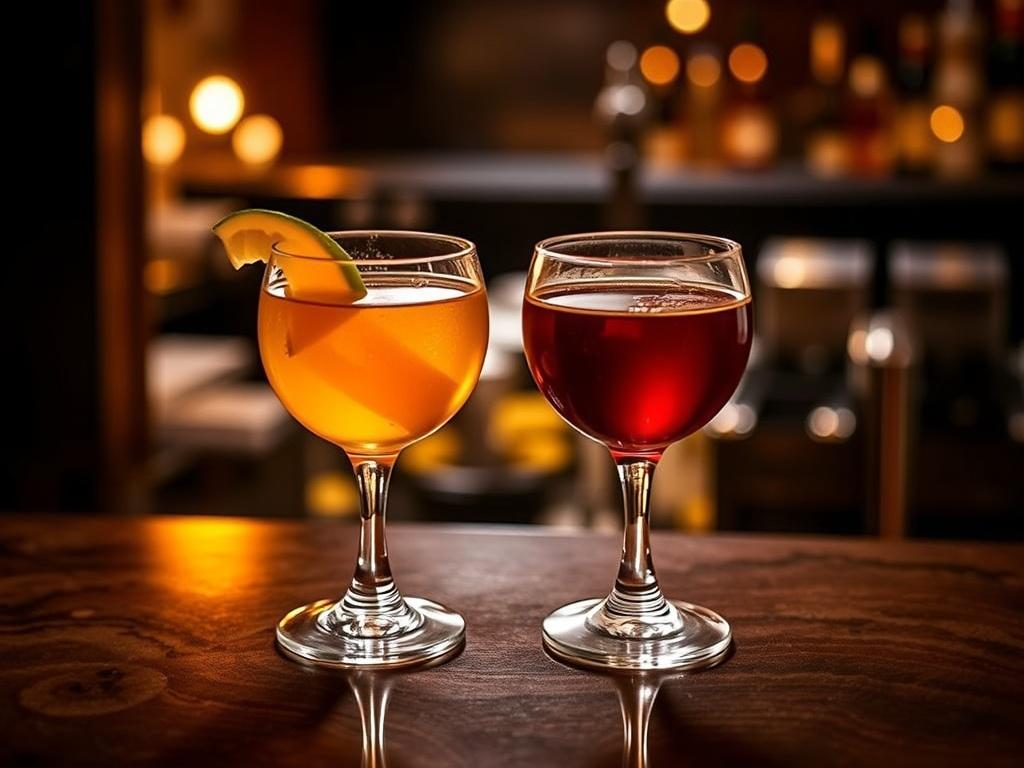
The Manhattan sits naturally as an after-dinner or late-evening drink. Its sweetness and tannic structure pair well with dark chocolate, nut-forward desserts, and hard cheeses. If you plan a “happy ending” float (sparkling or liqueur), use that to bridge to dessert—champagne makes the drink feel celebratory; a chocolate liqueur float carries it into dessert territory.
Alcohol Content and Moderation
Expect a Manhattan to be spirit-forward; typical ABV depends on the whiskey used but often lands between 26–35% after dilution. Smaller glasses and mindful pacing are your best friends if you want the evening to be memorable for good reasons. Offer water between sips and consider alternating with a nonalcoholic palate cleanser.
The Phrase Beyond Cocktails: “Happy Ending” as a Cultural Term
Outside the bar, “happy ending” is colloquial shorthand for sexual services sometimes offered at massage parlors or escort contexts. In Manhattan and across New York City, such activities sit at the intersection of law, public health, and ethics. It’s important to be clear: paying for sexual services can carry legal and safety risks, and laws differ by jurisdiction.
If your interest lies in the adult services world, prioritize legality, consent, and safety. Research state and municipal laws, use licensed providers where available, and avoid situations that exploit others. For residents or travelers concerned about health, seek local public-health resources for testing and support. When in doubt, opt for services that clearly operate within legal frameworks and respect worker rights.
Simple Etiquette and Safety Tips for Bars and Adult Service Contexts
- In bars: Pay attention to the menu, communicate clearly with the bartender, and tip appropriately for labor and skill.
- For adult services: Verify legality, insist on transparent, documented business practices, never coerce, and respect consent and boundaries.
- Always avoid engaging in illegal activity and prioritize the health and autonomy of others.
Where to Learn More and Practice
If you want to improve your Manhattan at home, practice classic technique and then experiment with small finishes. Attend a cocktail class or follow reputable bartenders’ guides for hands-on tips. If the non-cocktail meaning is your concern, local legal aid, public health departments, and community organizations can provide fact-based guidance.
Quick Troubleshooting
- Bitter or too strong? Slightly increase vermouth or add a drop more syrupy modifier.
- Too sweet? Swap some sweet vermouth for dry (a “perfect” balance) or reduce the vermouth overall.
- Muddy or cloudy? Use fresh, cold ice and proper stirring; strain through a fine mesh if necessary.
Final Notes on Creativity and Respect
Giving a Manhattan a “happy ending” is, at its best, a small act of hospitality: a deliberate finishing touch that enhances aroma, texture, or narrative. Keep your experiments modest and respectful of the cocktail’s bones. And remember the phrase’s other meanings—when conversations cross into personal or legal territory, choose discretion and care.
Conclusion
The happy ending for a Manhattan can be as simple as a flamed orange, a delicate Champagne float, or a whispered trade-off of vermouth for amaro — each option reframes the final sip without erasing the cocktail’s core. Whether you’re refining your at-home technique, ordering at a bar, or navigating the phrase’s broader cultural implications, aim for clarity, legality, and thoughtful enjoyment: a memorable finish needn’t be loud to be satisfying.