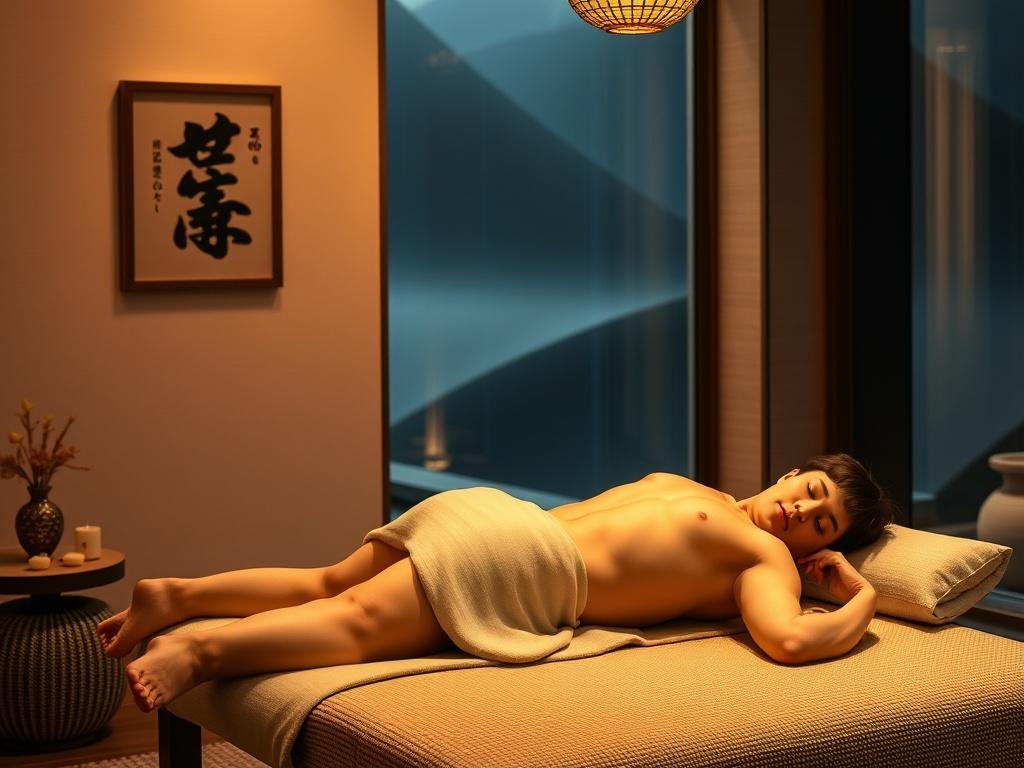

Nuru massage has entered global spa vocabulary as a distinctive, slippery form of bodywork with roots in Japan. The name comes from the Japanese word nuru, which means “slippery.” What makes this style stand out is its use of a special, water-soluble gel and a high degree of body-to-body contact. In this article I’ll walk you through the origins, the technique at a practical level, safety and etiquette, where people find it, and how to decide whether it’s right for you—without getting into explicit detail.
Origins and cultural context
The practice evolved in Japan’s urban adult-entertainment scene in the late 20th century, then spread worldwide as therapists and entrepreneurs adapted the technique for private studios and luxury spas. While it comes from Japan, today there are many regional variations. In some settings it is presented strictly as a sensual therapy; in others it’s framed as a wellness or novelty spa treatment. Because of this range, understanding the venue and local laws is essential before booking.
What makes Nuru massage different?
At its core, Nuru is defined by three features: a specially formulated, ultra-slippery gel; full-body sliding movements; and close, often nude, contact between practitioner and client. The gel is usually made from seaweed-derived polymers that create a slick, odorless, colorless medium that reduces friction so the practitioner can glide across the client’s body.
How a typical session is structured
Sessions vary by studio and practitioner, but they commonly include a short consultation, a warm shower or rinse to remove oils and lotions, the main body-to-body section on a waterproof mattress or mat, and time at the end to rinse off. Providers emphasize warmth, hygiene, and clear agreements about boundaries before starting.
General, non-explicit description of technique
Rather than focusing on isolated muscles, the practitioner uses broad, sliding movements with their torso and limbs to apply even pressure across large surface areas. These motions are intended to soothe tension and create a unique sensory experience that differs from conventional oil or deep-tissue work. The gel’s slipperiness allows smooth transitions and a fluid rhythm.
Practical preparation and what you’ll need
If you’re attending a professional studio most supplies are provided. For private or at-home sessions, here’s what’s usually required:
- Specialized Nuru gel (water-soluble, seaweed-derived) or an alternative approved by the practitioner
- Waterproof, easy-to-clean surface (vinyl mattress cover or mat)
- Towels for drying and modesty
- Access to warm water for showering before and after
- Trash bag or protective sheet for linens that may become heavily soiled
Quality gel matters. Genuine products tend to be biodegradable and formulated to minimize irritation. Avoid household substitutes (cooking oils, petroleum-based products) that can damage surfaces and are difficult to wash out.
Safety, hygiene, and health considerations
Hygiene is central. A professional practitioner will require a pre-session shower and will work on a cleaned, disinfected surface. Because Nuru involves close skin contact, clear consent and boundaries are mandatory before beginning.
- Patch-test new gels on a small area of skin to screen for allergic reactions.
- Discuss any skin conditions, recent surgeries, or open wounds with the practitioner beforehand.
- Use a condom where appropriate—if sexual contact is possible, clarify policies in advance and follow local law.
- Bring or request a waterproof barrier for delicate furniture; gel can stain or penetrate some fabrics.
- If you have low blood pressure, dizziness, or heart conditions, consult a healthcare professional before trying a full-body, slippery treatment.
Etiquette, consent, and communication
Good providers set expectations up front: what is and isn’t allowed, where hands will and won’t go, and how to stop the session if you change your mind. A healthy session includes a brief intake covering allergies and boundaries, an explicit agreement about nudity and contact, and the use of a safe word or signal if necessary.
Be direct about what you want and what you won’t accept. If something feels uncomfortable, speak up. That’s not impolite—it’s part of maintaining professionalism and safety for both parties.
Legal and business realities
The legal status of Nuru massage varies widely. In many jurisdictions, services that include sexual contact fall under sex-work regulations and may be subject to criminal penalties or licensing rules. Licensed spas that offer Nuru strictly as a wellness treatment operate under different regulations than adult-entertainment venues.
Before booking, check local laws and read the business listings carefully. Reputable providers will be transparent about their services, cancellation policies, and any required paperwork.
How to choose a reputable provider
Look for clear online information and verifiable reviews. Key signals of professionalism include a clean studio, transparent prices, a clear consent policy, and practitioners who explain procedures and safety measures before a session. Avoid venues that are evasive about what the treatment entails or that pressure you to accept extras.
Benefits and limitations
Reported benefits are largely experiential: deep relaxation, reduced muscular tension from long gliding strokes, and a heightened sense of bodily awareness due to the skin-to-skin sensation. Some people find the modality helps release stress in ways that conventional massages do not.
Limitations: it’s not a substitute for medical treatment or physical therapy for serious musculoskeletal issues. People prone to skin reactions or who prefer modesty may not enjoy the experience. Also, because Nuru can be framed as erotic, some providers and clients prefer to avoid it in strictly clinical settings.
Alternatives and related modalities
If the Nuru format doesn’t appeal, consider other options that emphasize close, holistic touch without full body contact. These include traditional oil-based Swedish massage, Thai massage (which uses assisted stretching), and therapeutic bodywork like myofascial release. Each has different aims and pressure techniques.
| Feature | Nuru Massage | Swedish Massage | Tantric-inspired Bodywork |
|---|---|---|---|
| Primary medium | Water-soluble seaweed gel | Oil/lotion | Oils, breathwork, and sometimes gel |
| Contact style | Body-to-body sliding | Practitioner hands-on | Intimate, often includes breath and eye contact |
| Typical setting | Waterproof mat, shower access | Massage table, linens | Ritualized space, often private |
| Common focus | Sensation, relaxation, glide | Muscle relaxation and circulation | Energy, connection, emotional release |
Costs, session length, and common questions
Session lengths commonly range from shorter novelty sessions to longer full experiences. Pricing depends on location, the studio’s reputation, and whether extra services are offered. Ask what is included in the quoted price—some places include shower use and towels, others charge extra for extended time.
Common questions clients ask: Will I be expected to undress? How private is the space? What does the intake look like? Can I stop at any time? A trustworthy therapist will answer these clearly before you pay or undress.
Trying it for the first time: a simple checklist
0
- Confirm the studio’s reputation and legal standing.
- Ask what type of gel they use and whether it’s hypoallergenic.
- Shower before the session and avoid applying creams or perfumes.
- Set clear boundaries and discuss them with the practitioner.
- Arrange post-session plans—some people prefer a cool drink and quiet time to reorient.
Aftercare and cleanup
After the session, a warm shower will remove gel residue. Practitioners usually clean the mat and any reusable linens promptly. Drink water and allow a little time to re-acclimate to clothing—some people feel sensitive after prolonged skin contact.
Where to learn more
Workshops, well-reviewed studios, and experienced, licensed bodywork professionals are the best sources for learning more about Nuru safely. If you’re curious about including it in a couples’ setting, consider a guided workshop with clear instruction and professional supervision rather than attempting highly intimate work without training.
Conclusion
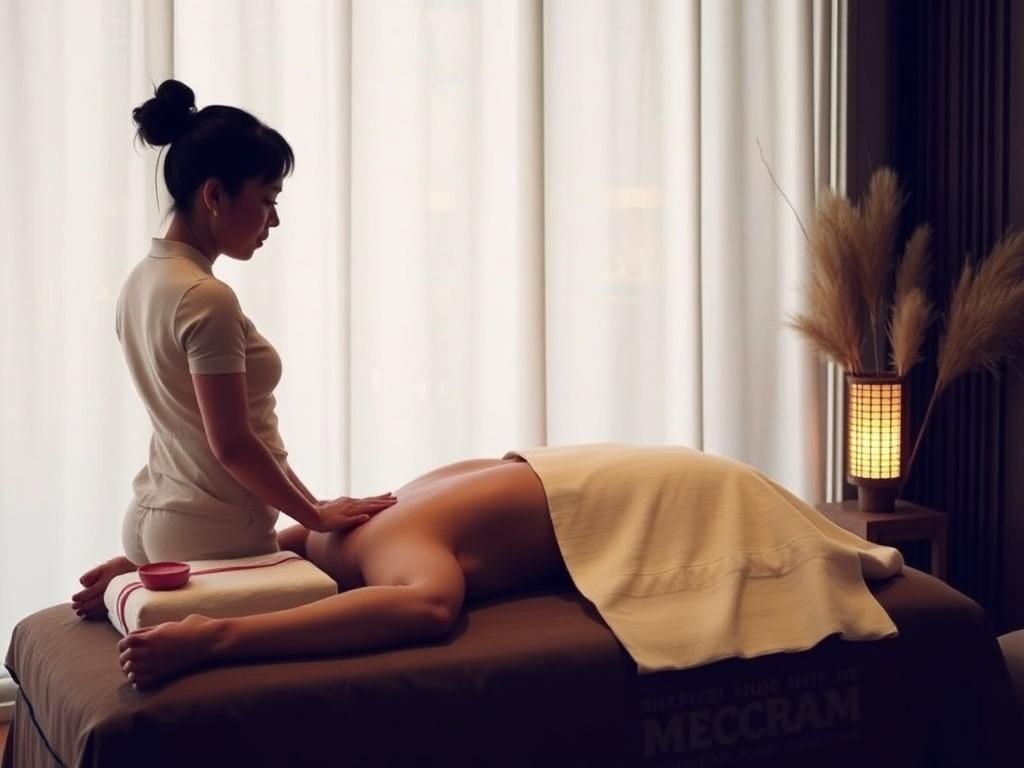
Nuru massage is a distinctive, sensory-rich form of bodywork that blends a slippery, seaweed-based gel with body-to-body movement; it can offer a novel path to relaxation and bodily awareness when practiced with professionalism, clear consent, and attention to hygiene and local laws. Whether you approach it as a spa curiosity or a deeper sensory experience, prioritize reputable providers, open communication, and personal safety to get the most from the session.