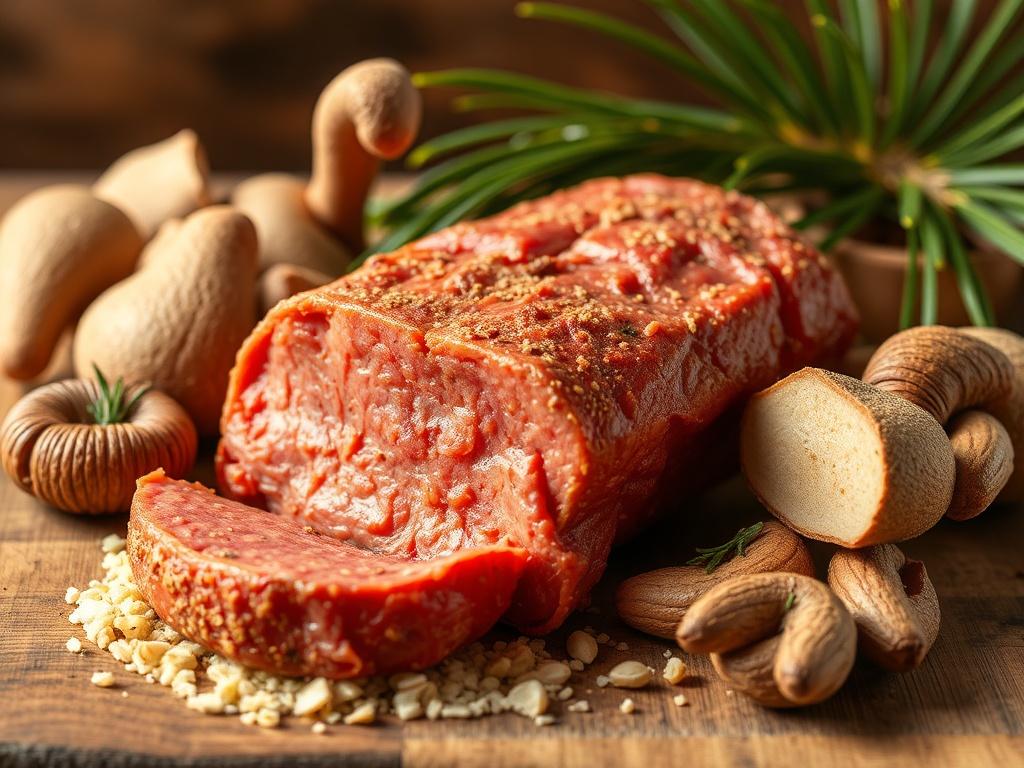

“Exotic rubs” describes spice mixes that travel beyond the familiar salt-pepper-smoke trio—blends that introduce citrusy sumac, floral cardamom, smoky Aleppo pepper, or the sharp perfume of fenugreek. This article explains what makes a rub exotic, how the chemistry works, how to build your own signature blends, where to use them, and the practical tips that move a mix from good to unforgettable.
What makes a rub “exotic”?
At its simplest, an exotic rub uses spices, aromatics, or combinations that are uncommon in the reader’s local grilling repertoire. It may feature ingredients native to other regions—ras el hanout from North Africa, berbere from Ethiopia, shichimi togarashi from Japan— or unusual pairings that create surprising contrasts: tamarind with smoked paprika, clove with citrus zest, or toasted fenugreek with brown sugar.
Exotic often implies three things at once: unfamiliar flavor compounds, a cultural origin outside a diner’s usual cuisine, and a distinct personality—sweet, citrusy-clean, bitter-earthy, floral, or ferociously spicy.
The flavor building blocks of rubs
- Salt: Essential for seasoning and for drawing moisture into the surface (dry brine).
- Heat: Ground chiles, black pepper, grains of paradise or long pepper add warmth and complexity.
- Aromatics: Toasted seeds (cumin, coriander), dried citrus peel, garlic, onion powder, or powdered ginger.
- Sweetness: Sugar, coconut sugar, or palm sugar encourages caramelization and balances heat.
- Bitter/earthy notes: Roasted coffee, cacao nibs, or fenugreek add depth and sophistication.
- Umami or mineral accents: Ground dried mushrooms, anchovy powder, or sumac for tang.
How rubs work: technique and the science
A rub is not just flavor on the surface; it’s chemistry in action. Salt pulls proteins toward the surface where they bind water and dissolve flavor molecules. Sugar fragments into sticky caramelizing sugars under high heat, creating crust. Toasted spices release volatile oils that bloom under heat—grind them fine to reveal more aroma, toast them first for a darker flavor, or keep them whole for gentler release during long cooks.
Be mindful of sugar and cooking temperature. High-sugar rubs produce beautiful crusts at searing temperatures but will char during low-and-slow smoking. If you plan long smokes, either reduce sugar or apply it halfway through the cook as a finishing rub.
Dry rubs vs wet rubs (pastas)
- Dry rub: A loose, powdered mixture. Great for leaving on longer (hours to overnight) and for creating a classic bark on smoked meats.
- Wet rub (paste): Combine a dry blend with oil, mustard, yogurt, vinegar, or citrus juice. Pastes adhere better and can marinate flavors deeper, especially on lean proteins like chicken breast or fish.
Signature exotic rubs and what to use them on
| Blend | Origin/Influence | Key Components | Best Uses | Flavor Note |
|---|---|---|---|---|
| Jamaican Jerk | Caribbean | Allspice, Scotch bonnet, thyme, scallion powder | Pork shoulder, chicken, firm fish | Hot, herbal, bright |
| Ras el Hanout | North African | Cumin, coriander, cinnamon, rose petal, cardamom | Lamb, root vegetables, tagines | Warm, floral, complex |
| Berbere | Ethiopian | Chili, korarima, fenugreek, ginger | Stews, chicken, roasted cauliflower | Fiery, earthy, aromatic |
| Shichimi Togarashi | Japanese | Sansho, chili, sesame, orange peel | Fish, shrimp, rice bowls, tofu | Citrus-heat with numbing notes |
| Peruvian Aji Amarillo Rub | Peru | Aji amarillo powder, cumin, garlic, lime zest | Chicken, grilled veggies, potatoes | Fruity-heat, bright |
How to choose a rub for protein and cooking method
- High heat (sear/grill): Choose spice-forward rubs with less sugar or add sugar last to avoid burning.
- Low and slow (smoke): Opt for deeper, earthier blends that complement smoke—berbere or ras el hanout variants work well.
- Delicate proteins (fish, shellfish): Use citrus and floral-forward blends in small doses—shichimi, sumac blends, or light citrus-pepper mixes.
- Vegetables/plant proteins: Use bold, concentrated flavors (smoked paprika blends, za’atar, or berbere) because veggies need stronger seasoning to stand out.
Crafting your own exotic rub: a practical formula
Recipe templates help you scale and adapt. Start with a base ratio and then tweak by taste.
- Base: 2 parts salt (kosher or sea), 1 part sugar (optional).
- Aromatics: 2 parts toasted ground seeds or whole spice (cumin, coriander, fennel).
- Heat: 1 part chile or black pepper.
- Accent: 1/2 part unique element—citric zest, sumac, fenugreek, ground coffee, or dried herb.
Example small-batch exotic rub (makes ~1/2 cup):
- 2 tbsp kosher salt
- 1 tbsp brown sugar
- 2 tbsp toasted ground coriander
- 1 tbsp smoked paprika
- 1 tsp ground sumac
- 1 tsp Aleppo or chiles flakes
- 1/2 tsp ground fenugreek (optional)
Toast whole spices in a dry pan over medium heat until fragrant, cool, then grind. Mix all dry ingredients thoroughly. For a paste, add neutral oil and a squeeze of lemon.
How much rub to use
General guidance: about 1 to 1.5 tablespoons of rub per pound for a medium-intensity flavor on meats. For larger, fattier cuts you can go heavier; for delicate fish or thin-cooked proteins reduce the amount. When applying a paste, start light—oils and acids concentrate flavors.
Practical tips: storage, freshness, and sourcing
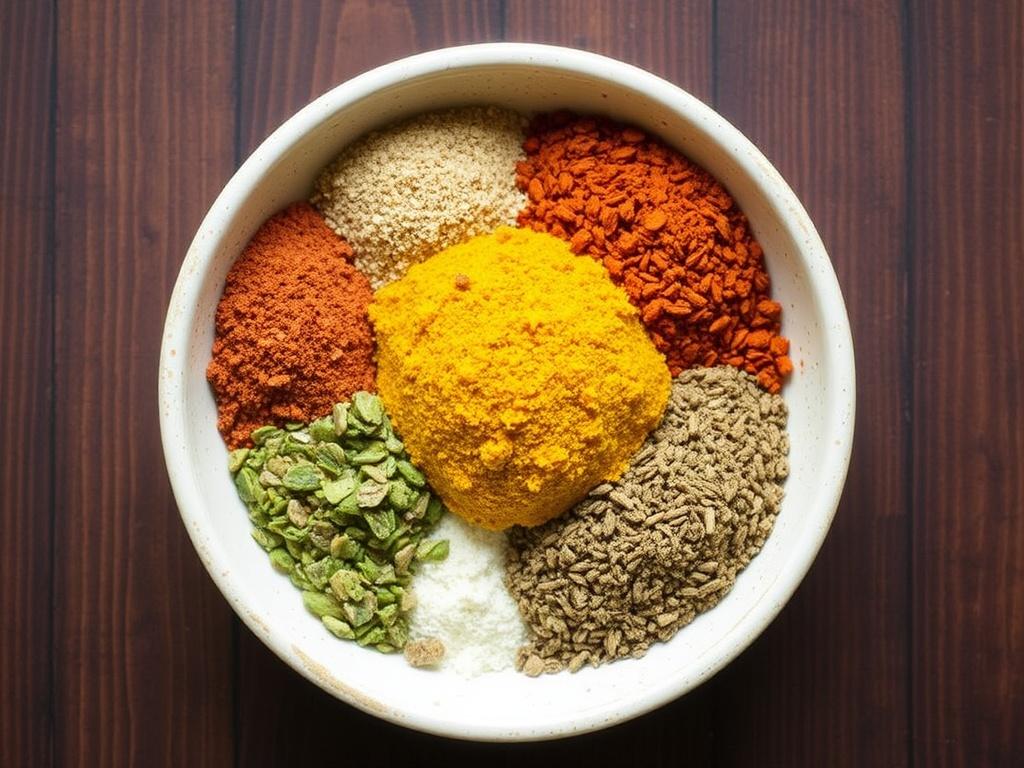
- Freshness: Whole spices keep their oils longer. Ground spices are convenient but lose potency in months. Sniff jars: stale spices smell flat.
- Storage: Airtight containers in a cool, dark place. No refrigerator unless the mix contains fresh ingredients (like zest or garlic) in which case keep refrigerated and use within a week.
- Sourcing: Buy from reputable spice merchants for single-origin or specialty powders (sumac, Aleppo, aji amarillo). Ethnic grocers often have fresher, better-priced options than large chains.
- Label and date every jar. Typical shelf life for dry blends is 6–12 months for best flavor.
Common pitfalls and how to avoid them
- Over-salting: Taste your base rub without the salt element when creating a new blend; add salt at the end to control final seasoning.
- Burning sugar: If smoking long, delay sugar application or replace with molasses glaze near the end.
- Incompatible flavors: Match intensity—don’t pair an ultra-fragrant floral mix with heavily smoked brisket unless you want competing aromas. Use subtle accents rather than equal partners.
- Allergies and hidden ingredients: Check commercial blends for nuts, MSG, or gluten if you prepare food for guests with restrictions.
Using exotic rubs beyond meat
These blends are not limited to the grill. Sprinkle shichimi over popcorn or fries. Rub roasted squash with ras el hanout. Coat chickpeas with berbere and roast for a crunchy snack. A coffee-and-cacao rub gives a savory-sweet crust to roasted beets. Treat rubs as seasoning companions for grains, dressings, and finishing salts.
Commercial vs homemade: when to buy and when to build
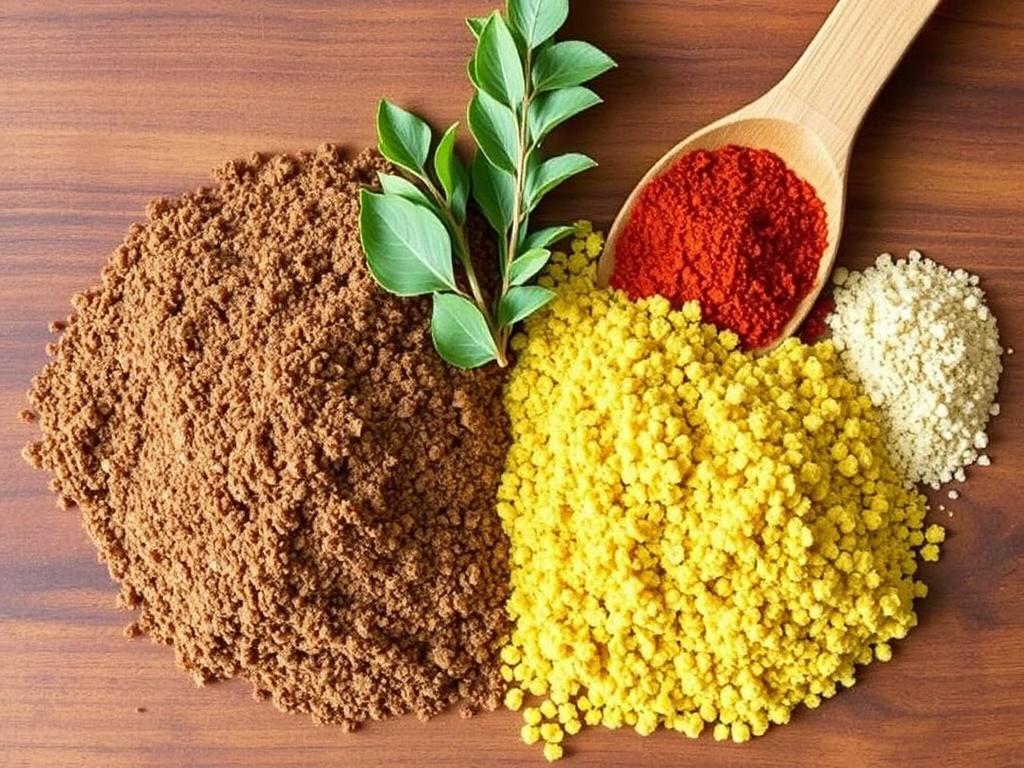
Commercial exotic rubs save time, offer consistency, and can contain rare ingredients properly blended. Build your own when you want control over salt, heat, and quality, or when a custom signature makes sense. Mix both approaches—use a commercial blend as a base and customize with fresh citrus zest, toasted seeds, or a pinch of a rare spice to personalize it.
Quick checklist for creating or selecting an exotic rub
- Decide the desired dominant note: heat, sweet, floral, or bitter.
- Match the rub’s intensity to the ingredient and cooking method.
- Toast whole spices for depth; grind to the texture appropriate for the dish.
- Be mindful of sugar and low-and-slow cooks.
- Label, date, and store in airtight containers away from heat and light.
Recipes to try right away
Try a small experiment: make a jar of ras el hanout, use it on roasted carrots with olive oil and a squeeze of orange, and compare the flavor to the same carrots with simple salt and pepper. Or rub chicken thighs with a shichimi paste (mix with a little oil and miso) and broil—watch how the citrus and pepper notes brightens the meat.
Safety and etiquette
Respect the origins of blends—learn the cultural context if serving a signature dish inspired by another cuisine. Be transparent about substitutions or changes if cooking for others; allergies or dietary restrictions may require adjustments. When in doubt, taste on a small piece first.
Conclusion
Exotic rubs are a versatile tool for expanding flavor horizons: they combine culinary history, spice chemistry, and technique. With a basic formula, a few toasted seeds, and attention to heat and sugar, you can create blends that lift meats, vegetables, and snacks in surprising directions. Experiment with origin-driven recipes, label what you make, and adjust intensity to taste—soon you’ll know which rubs become staples and which are special-occasion showpieces.